William Pinkney Quotes
In the name of heaven, with what face can we call ourselves the friends of equal freedom and the inherent rights of our species when we wantonly pass laws inimical to each; when we reject every opportunity of destroying, by silent, imperceptible degrees, the horrid fabric of individual bondage, reared by the mercenary hands of those from whom the sacred flame of liberty received no devotion?
What was particularly interesting about this quotation is that Pinkney was a political leader of Maryland, a slave state. See {632259} and {632257} for more on this point.
William Pinkney, 1764–1822 U. S. Congressman & Senator (Maryland), U. S. Attorney General, Minister to England & Russia, Speech, For the Relief of Slaves, Maryland Legislative Assembly, 1788
Sourced by: Eigen's Political and Historical Quotations

What was particularly interesting about this quotation is that Pinkney was a political leader of Maryland, a slave state. He saw the injustice and immorality of slavery but like many others of our founding fathers assumed that ending slavery would infringe on the property rights of the slave holders. Others argued that there can be no right to deny others their basic rights—property and wealth are subordinate to natural rights. See {632258} and {632259} for more on this point.
What was particularly interesting about this quotation is that Pinkney was a political leader of Maryland, a slave state. See {632258} and {632257} for more on this point.


Later changed the name to The Emancipator. Many are surprised that a Southern State would have had such strong abolitionist sentiment so early, but East Tennessee was a hotbed of abolition. See {614117} and {614069}


He succeeded to the extent that he was the driving force behind the British abolition of the Slave Trade.

The issue of slavery which had been suppressed in Congress for the first decades of the nation broke out when Missouri statehood was considered. By previous agreement, slavery was not even discussed in Congress but the time period elapsed. Tallmadge not only proposed that no more slaves could come into Missouri {613176} but most shocking to the Southerners was that every person born in the new state would be free at the age of 25. In a generation, there would be no more slavery in Missouri and there would be no economic compensation for slave owners at all. The House of Representatives accepted the amendment, but it failed in the Senate. At that time, Senators were not elected by voters but were appointed by the state legislators and the Southern slave states had a disproportionate share of the senate from a population point of view. But what this quotation shows clearly that a majority of the country in 1819 were opposed to slavery and were willing to end it without compensation.

There were some who kept no slaves and morally opposed slavery at the time or the birth of Christ.


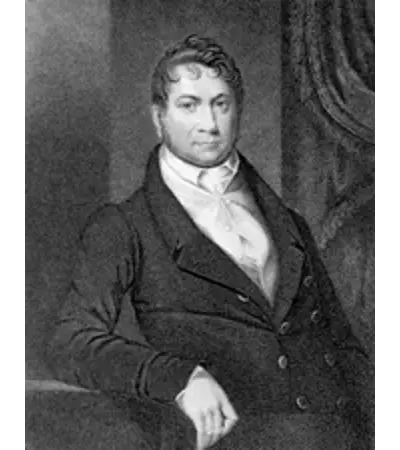
- Born: March 17, 1764
- Died: February 25, 1822
- Nationality:
- Profession:
William Pinkney was an American statesman and diplomat, and was appointed the seventh U.S. Attorney General by President James Madison.
