Ryszard Kapuscinski Quotes
In the First World War, there was the sudden passion of nationalism, and the killing took place because of these emotions. But the Soviet case is different, because you had systematic murder, like the Holocaust.
Kapuściński, Ryszard. Imperium. Translated by Klara Glowczewska, Alfred A. Knopf, 1994.


The Professor was explaining the explanation of the so-called “Frankfurt School” of WWII policy advisors Franz Neumann, Herbert Marcuse, and Otto Kirchheimer.


This new form of patriotism, this encouragement of pregnancy—even outside of marriage—was just too controversial. Himmler withdrew the order. It illustrates that even in a brutal dictatorship, public opinion can influence government.


Although Churchill, FDR, and a few other world leaders also recognized this reality, most people, even in America and Europe were not yet knowledgeable about the danger of Hitler and Nazi Germany. What is fascinating is that a theoretical scientists—one whose work had little to do with reality could be that perspicacious to identify major political trends. But Einstein was not only one of the world’s great scientific thinkers but he was a very sophisticated political and philosophical thinker.


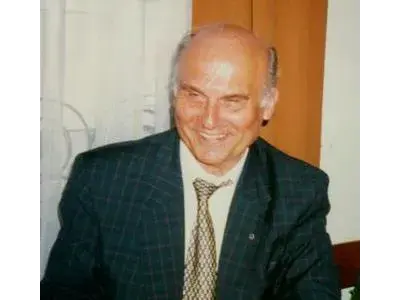
Ryszard Kapuściński was a Polish journalist, photographer, poet and author. He received many awards and was considered a candidate for the Nobel Prize for Literature. Kapuściński's personal journals in book form attracted both controversy and admiration for blurring the conventions of reportage with the allegory and magical realism of literature. He was the Communist-era Polish Press Agency's only correspondent in Africa during decolonization, and also worked in South America and Asia. Between 1956 and 1981 he reported on 27 revolutions and coups, until he was fired because of his support for the pro-democracy Solidarity movement in his native country. He was celebrated by other practitioners of the genre. The acclaimed Italian reportage-writer Tiziano Terzani, Colombian writer Gabriel García Márquez, and Chilean writer Luis Sepúlveda accorded him the title "Maestro".
