Khaled Hosseini Quotes
In Kabul, hot running water had been like fathers, a rare commodity.
Hosseini, Khaled. A Thousand Splendid Suns. Riverhead Books, 2007.


Even before the drought the California (and other Western States’) water distribution system has been unfair, inefficient, wasteful, and irrational. There is only so much to go around and the demand it greater. Farmers sometimes pay only 1 percent of the cost the state incurs for the water they us. And far less than poor city or suburban dwellers. Few California farmers use the efficient drip irrigation system developed in Israel. Some farmers get most of the water they want while others get nothing. The taxpayers in the rest of the country pay for the California cheap water while they themselves pay many times the cost of the water. Ironically, Conservatives who almost always want market based solutions oppose it in the case of water as then the large corporate farms would not have the huge water subsidy that they have now.

While Peres and many others think that the Arab nations can become developed countries, there are major barriers in the way. One is oil. No country that has had a great deal of oil has ever developed. Then there is education. Israel’s technological success requires a very high level of education in secular subjects which no Arab nation provides. The Western cultural values of inquiry, freedom of thought, individuality are were in large part developed from the traditional Jewish values. The Muslims had these at the early 2nd millineum. But political and religious forces since then, have created contemporary Arab cultures whose vaues are in many ways antithetical to modern technological development.
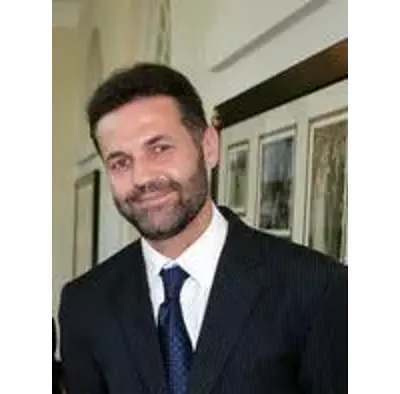
Khaled Hosseini is an Afghan-American novelist, physician, activist, humanitarian, and UNHCR goodwill ambassador. His debut novel The Kite Runner (2003) was a critical and commercial success; the book, as well as his subsequent novels, have all been at least partially set in Afghanistan and has featured an Afghan as the protagonist.
