Hazrat Inayat Khan Quotes
If people but knew their own religion, how tolerant they would become, and how free from any grudge against the religion of others.
Khan, Hazrat Inayat. The Sufi Message of Hazrat Inayat Khan. Barrie and Rockliff, 1960.


At the time Turkey was the only Muslim majority country where there was coexistence with secularism but with Christians and Jews as well. Ataturk, the great Turkish leader, turned Turkey around, modernized it, Westernized it, and made it a secular state with freedom of Religion, much like the United States. However, Erdogan’s party was constantly trying to make the state more Islamic as his electoral base were the poor, religious, Muslims.

The re-conquest had just taken place where the Christians defeated the Islamic troops and the King found himself ruling extensive Muslim dominated areas like Toledo as well as large Christian areas. While atypical for a Christian Catholic King, Alfonso VI went out of his way to avoid a crisis with either religious group. He told the Muslims that they could follow Islamic practices and let it be known by statements like this that he had two religions in his kingdom.


The major religions differ when it comes to conversion. Buddhism, Judaism, Hinduism, and some Christian Religions do not aggressively seek converts but will accept converts who come themselves. Other Christian religions and Islam aggressively try and convert others and see it as their religious duty to do so.

Samuel Langhorne Clemens, 1835-1910

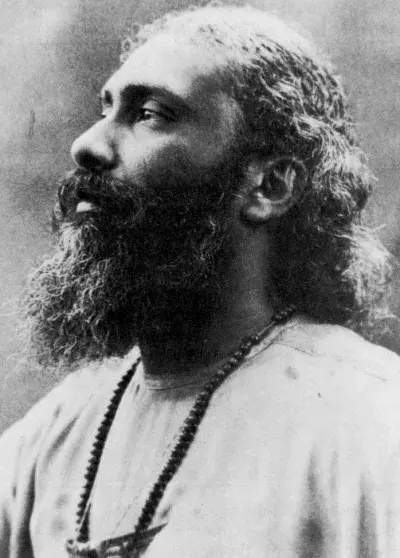
Inayat Rehmat Khan Pathan (Urdu: حضرت عنایت رحمت خان پٹھان) was the founder of the Sufi Order in the West in 1914 (London) and teacher of Universal Sufism. He initially came to the West as a Northern Indian classical musician, having received the honorific "Tansen" from the Nizam of Hyderabad, but he soon turned to the introduction and transmission of Sufi thought and practice. Later, in 1923, the Sufi Order of the London period was dissolved into a new organization, formed under Swiss law, called the "International Sufi Movement".
