Thaddeus Stevens Quotes
I will be satisfied if my epitaph shall be written thus: "Here lies one who never rose to any eminence, who only courted the low ambition to have it said that he striven to ameliorate the condition of the poor, the lowly, the downtrodden of every race and language and color.
This was not what was inscribed on his gravestone when he died. See {639151} for the actual text.
Thaddeus Stevens, 1792-1868, U. S. Congressman (Whig and Republican, PA), Titular Republican party leader, Speech, January 13, 1865
Sourced by: Eigen's Political and Historical Quotations

He would not allow himself to be buried in a cemetery that would not allow Blacks. He was laid to rest in Shreiner's Cemetery, one of the very few racially integrated cemeteries at the time.


This statement was the first declaration of a "war on poverty". He never did eliminate poverty, but he did significantly improve conditions in Russia. Wikipedia: "During the first years of his reign, he was both popular and prosperous, and ruled well. He recognized the need for Russia to catch up with the intellectual progress of the West and did his best to bring about educational and social reforms. He was the first tsar to import foreign teachers on a large scale, the first to send young Russians abroad to be educated, and the first to allow Lutheran churches to be built in Russia."


Wilberforce was one of the early staunch opponents of slavery.


This kind of ethical and moral commitment to others who are need distinguished Kasich from most Republicans of his time.


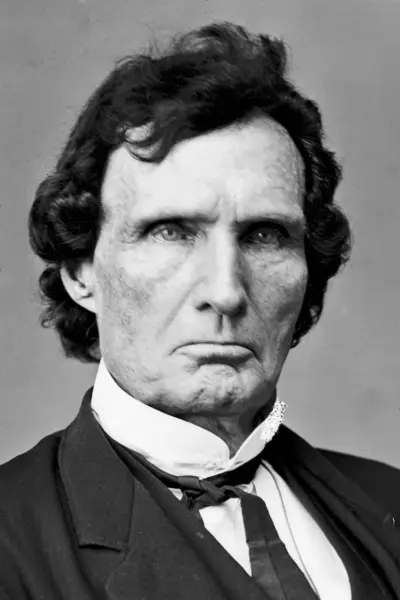
- Born: April 4, 1792
- Died: August 11, 1868
- Nationality: American
- Profession: Lawyer
Thaddeus Stevens was a member of the United States House of Representatives from Pennsylvania. He was one of the leaders of the Radical Republican faction of the Republican Party during the 1860s. A fierce opponent of slavery and discrimination against African Americans, Stevens sought to secure their rights during Reconstruction, leading the opposition to U.S. President Andrew Johnson. As chairman of the House Ways and Means Committee during the American Civil War, he played a leading role, focusing his attention on defeating the Confederacy, financing the war with new taxes and borrowing, crushing the power of slave owners, ending slavery, and securing equal rights for the Freedmen.
