Dorothy Day Quotes
I was always much impressed, in reading prison memoirs of revolutionists, such as Lenin and Trotsky ... by the amount of reading they did, the languages they studied, the range of their plans for a better social order. (Or rather, for a new social order.) In the Acts of the Apostles there are constant references to the Way and the New Man.
Day, Dorothy. By Little and By Little: The Selected Writings of Dorothy Day. Edited by Robert Ellsberg, Alfred A. Knopf, 1983, p. 330.


This is not only attributed by reliable sources but apparently Roosevelt had said this on several occasions. The word “radical” has had different shades of meaning at different periods of American History. The origin of the word from the Latin means someone who wishes to change things very rapidly and not gradually. In the time of the Civil War, the majority of the Republicans proudly referred to themselves as “radicals” or “radical Republicans” because they wanted to abolish slavery immediately. In the late 19th century the word “radical” referred to anarchists. From the Russian Revolution onward “radicals” were communists who presumably wanted to change governments throughout the work through revolution—very rapid change. However, in the early 20th century, radicals were people who wanted to reform and regulate businesses and monopolies rapidly and it is this sense he was a radical. But by style, he was a radical in most things in that he wanted to change things and change them rapidly.


Honore Gabriel Victor Requiti


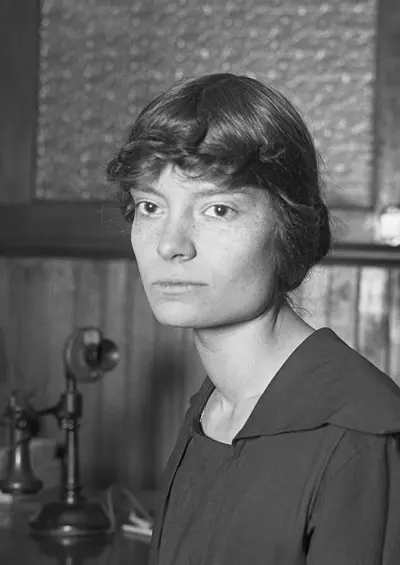
Dorothy Day was an American journalist, social activist and anarchist who, after a bohemian youth, became a Catholic Christian without abandoning her social and anarchist activism. She was perhaps the best-known political radical in the American Catholic Church.
