Andrew Fletcher Quotes
I see a free and independent kingdom delivering up that which all the world hath been fighting for, since the days of Nimrod, to wit, a power to manage their own affairs by themselves without the assistance and counsel of any other.
Andrew Fletcher, 1653-1716, Scotts Legislator and Nationalist, Quoted in www.freescotland.com
Sourced by: Eigen's Political and Historical Quotations


He particularly had difficulty with the Pope and whose authority was supposed to be dominant in Europe. King Henry left the Catholic Church and made Protestantism the official English Church. It has been such ever since—all the result of a power struggle between two men.


He was arrested and renditioned to Pakistan a few hours later. Nonetheless, the secession succeeded and Bangladesh became an independent country.


He was a poor governor in general and was fired and replaced by the Dutch East India Company which was a happy occurrence for the colonists. The company was a money making institution and depended on colonists who would farm, trade and manufacture. If they were unhappy, the company would not profit. They would not have minded a tyrant if he could produce profits as some did in the Dutch East Indies, but Kieft was a loser on all counts.


Justifying selling part of the reservation as a waste dump to the distress of neighbors:


At the beginning of July, 1826 Adams, deathly ill, was asked to propose a toast to be given in his name for the coming July 4 celebrations. It was:. On his deathbed four days later he was aroused by the firing of cannon. When told it was Independence Day he murmured:
Adams died on July 4th.


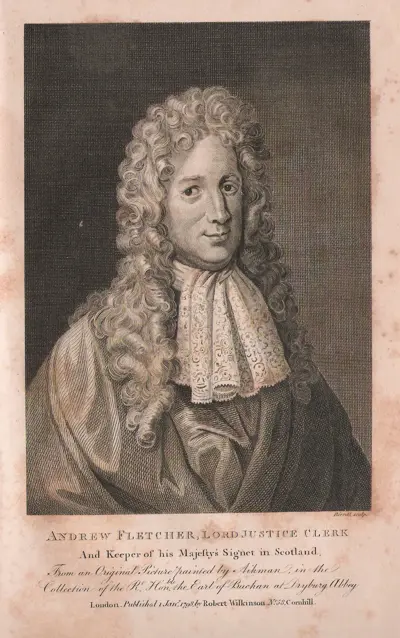
Andrew Fletcher of Saltoun was a Scottish writer and politician, remembered as an advocate for the non-incorporation of Scotland, and an opponent of the 1707 Act of Union between Scotland and England. Fletcher became an exile in 1683 after being accused of promoting insurrection. He was appointed the cavalry commander of the Monmouth Rebellion, but shortly after landing in England he killed another leading figure. He again went into exile, this time as a fugitive and with his estates forfeit. He returned with William of Orange, becoming Commissioner of the old Parliament of Scotland.
