William Cowper Quotes
I pity them greatly, but I must be mum, for how could we do without sugar and rum?
Cowper, William. Poems by William Cowper, vol. 2, J. Johnson, 1800.

This was an expression of concern from the merchants of Rhode Island to England regarding curtailing aspects of the slave trade. Ironically, this Remonstrance is one of the first documents objecting to the management of America’s affairs by England when America had no representation. Therefore it played a part in the process which culminated in the American Revolution and freedom from England. And yet the subject was not freedom at all but just the opposite—the prerogative of maintaining the slave trade. Note that the appeal to the Board of Trade was not couched in ethical or political argument but as a mercantile argument—Rhode Islander’s would import less British goods.


He was asking for permission to issue more paper currency.


This historical quotation enables us to date the importation of slaves into Massachusetts to as early as 1638. It also shows us that even though the Spanish had enslaved Negroes from Africa, when English ships raided Spanish ships and seized their booty, they considered the slaves as property and took them to then sell for the money. Had they had a different point of view, they might have freed the Back slaves who had been captured by their enemy, the Spanish. But they did not and money and money was the major motivation.

This was one of the first and is considered the best of the Colonial arguments against taxation without representation. The argument here about exports also affected other commodities—see {636866}. Despite this, Dulany is not well known in American history because when the Revolution finally came he was a loyalist.


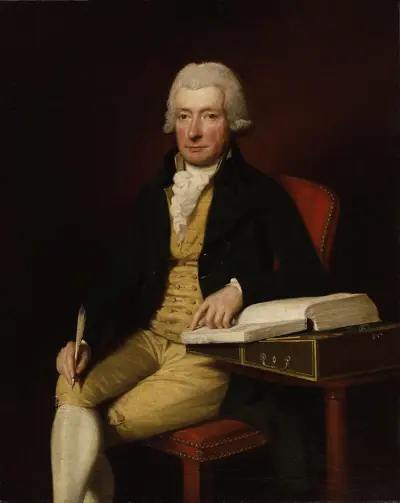
William Cowper was an English poet and hymnodist. One of the most popular poets of his time, Cowper changed the direction of 18th-century nature poetry by writing of everyday life and scenes of the English countryside. In many ways, he was one of the forerunners of Romantic poetry. Samuel Taylor Coleridge called him "the best modern poet", whilst William Wordsworth particularly admired his poem Yardley-Oak.
