Nigel Lawson Quotes
I am in favour of a fully transferable allowance.
Lawson, Nigel. The View from No. 11: Memoirs of a Tory Radical. Bantam Press, 1992.


At the time, he, th richest man in America was paying a lower ta rate than his secretary, his employees and the waiter who served him lunch. The “Buffet Rule” was developed and named for him that said that wealthy people should pay a minimum rate of taxation regardless of tax credits, deductions and other means of tax avoidance.

This became known as the Buffet Principle—that the very rich should not pay a lower tax rate than the workers who make far less money than they do. President Barack Obama used this principle by name in calling for the 2011 Jobs Act which would eliminate some of the loopholes and exemptions by which the rich could avoid some or much or their tax obligation.


[If a business takes other investors in to finance its growth or expansion, there are no tax consequences with the equity investment. However, if the same business borrows money from a bank, the business can deduct the interest cost of the debt from their federal and usually state taxes. If an individual buys a house and takes a large mortgage, the owner can deduct the interest from his taxes. However, if she instead does the more prudent and safe thing and puts more cash equity and takes a smaller mortgage, she only gets a small tax deduction.]

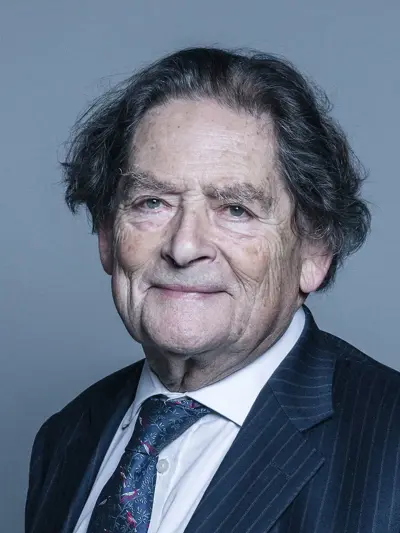
Nigel Lawson, Baron Lawson of Blaby, PC is a British Conservative politician and journalist. He was a Member of Parliament representing the constituency of Blaby from 1974 to 1992, and served in the cabinet of Margaret Thatcher from 1981 to 1989. Prior to entering the Cabinet, he served as the Financial Secretary to the Treasury from May 1979 until his promotion to Secretary of State for Energy. He was appointed as Chancellor of the Exchequer in June 1983, and served until his resignation in October 1989. In both Cabinet posts, Lawson was a key proponent of Thatcher's policies of privatisation of several key industries. Lawson oversaw the sudden deregulation of financial markets in 1986, commonly referred to as the 'Big Bang', which decisively strengthened London's place as a financial capital.
