Roger Stone Quotes
How can you be conservative and justify wiretapping people without a warrant? We're supposed to be the party of personal freedom and civil liberties.
Labash, Matt. "Roger Stone, Political Animal." The Weekly Standard, Clarity Media Group, 5 Nov. 2007.


Many politicians were arguing that giving the intelligence agencies more power to wiretap, bug and hack into personal communications despite the 4th Amendment’s strictures argued that the public was in rational fear of terror attacks and had a right to be protected.


Senator Church was the chairman of the committee. It’s reports (14 in all) are the most extensive documentation of U. S. intelligence ever compiled.


Goldsmith headed the Justice Department Office of Legal Counsel—the office that makes legal opinions to guide the Federal Government’s conduct. The George W. Bush White House had decided that the War on Terror required spying on American citizens under certain circumstances but the existing laws required that in each case, they obtain a warrant from a special FISA (Foreign Intelligence Surveillance Act) Court. They were afraid that the court might not grant the warrants in all cases so in some cases ignored the requirements to go through the court. Addington and some other White House staff felt that if there was one more terrorist incident in the United States, they could pressure Congress into getting rid of the FISA court.

Originally it was published in Boston under the name “A Columbian Patriot.” This was written before the Bill of Rights had been added. Criticism like this led to their addition by Congress in order to obtain ratification.

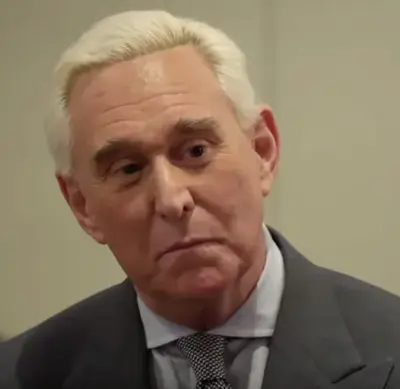
Roger Jason Stone is an American conservative political consultant and lobbyist. Since the 1970s, Stone has worked on the campaigns of Republican politicians, including Richard Nixon, Ronald Reagan, Jack Kemp, Bob Dole, George W. Bush, and Donald Trump. In addition to frequently serving as a campaign adviser, Stone was a political lobbyist. In 1980, he co-founded a Washington, D.C.-based lobbying firm with Paul Manafort and Charles R. Black Jr. The firm recruited Peter G. Kelly and was renamed Black, Manafort, Stone and Kelly in 1984.:124 During the 1980s, BMSK became a top lobbying firm by leveraging its White House connections to attract high-paying clients including U.S. corporations and trade associations, as well as foreign governments. By 1990, it was one of the leading lobbyists for American companies and foreign organizations.:125
