Miguel de Unamuno Quotes
Here in Spain we are all Catholics, even the atheists.
Miguel de Unamuno, 1864-1936, Basque writer, Quoted in Williams, The Story of Spain
Sourced by: Eigen's Political and Historical Quotations


The Guru was then horribly tortured, and when he still would not convert, the Emperor had him beheaded. A new Indian Emperor, Aurangzeb, had ascended the throne of India by imprisoning his father and murdering his brothers. All the Emperors in those days were Muslims ever since the Islamic army had left Arabia and conquered most land to the East including most of India. Aurangzeb was worse than most and claimed he had a vision from God telling him that he should make everyone in the kingdom a Muslim. But about half the population was still Hindu. He decided to get the Sikh Guru to convert and then almost all would follow. The Sikhs were considered a Hindu sect at the time, and the Sikh Guru was respected by most Hindus. When the Emperor sent for the Guru, he explained that India should only have one religion, Islam, and offered the Guru much gold to convert, but if he did not do so, it would go badly for him. The Guru asked that a large pile of peppercorns be brought before them, and had it set on fire. When the fire burned out, the Guru went through the ashes and found three peppercorns intact.

The origins of the extreme religious intolerance of Spain occurred centuries before the excesses of the Spanish Inquisition. Before the Conference the Visigoths and their king had been converted to Christianity but not all cared for the new religion.
Orangemen were the ulta Protestant Nationalists of Northern Ireland. Both Protetants and Catholics had their extremists who publicly spewed their hate, desire for exclusivity, and insults with little moderation from moderates who always risked retaliation from the extremists even of their own religion, not unlike the situation of the beginning of the 21st century, where Muslim moderates were cowed and intimidated by the religious Islamic extremists.


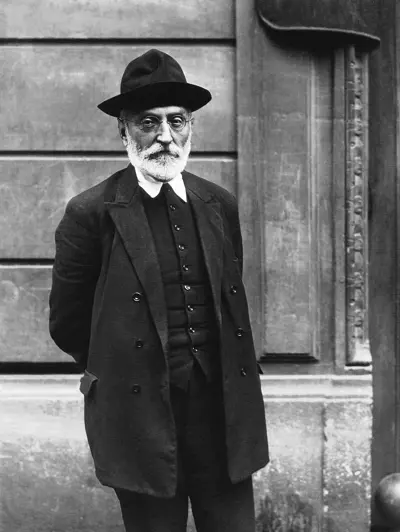
Miguel de Unamuno y Jugo was a Spanish essayist, novelist, poet, playwright, philosopher, professor of Greek and Classics, and later rector at the University of Salamanca.
