Aesop Quotes
He who incites to strife is worse than he who takes part in it.
Townsend, George Fyler, trans. Three Hundred and Fifty Aesop's Fables. George Routledge and Sons, 1867, p. 57.


While this was a common attitude for years before, the horrors of World War II produced a general revulsion to war and an awareness that war between two nations spills over to other states in the region and in an era of globalization, effects countries in other parts of the world. So there has been a tendency to use diplomacy endlessly, even after "things have gone too far". Historically, when things reached that point, the parties did fight it out, and when one was weakened sufficiently, negotiations and diplomacy could then be fruitful.


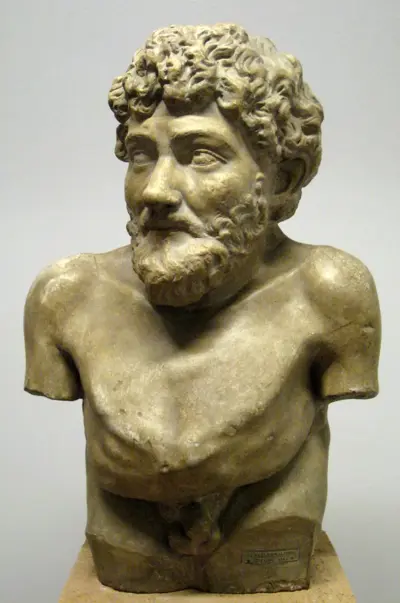
Aesop (c. 620–564 BCE) was a Greek fabulist and storyteller credited with a number of fables now collectively known as Aesop's Fables. Although his existence remains unclear and no writings by him survive, numerous tales credited to him were gathered across the centuries and in many languages in a storytelling tradition that continues to this day. Many of the tales are characterized by animals and inanimate objects that speak, solve problems, and generally have human characteristics.
