G. Willow Wilson Quotes
'Habibi' is a complex and unapologetic work of fantasy - no idle undertaking for readers of any faith or no faith at all, but one well worth the trouble.
Wilson, G. Willow. Review of Habibi by Craig Thompson. The New York Times, 2011.


Incredibly enough the same statement was issued as a Cabinet order by Frederick The Great {602503} in June 22 of the same year. It was unlikely that Frederick followed American politics so closely that he would have learned of Franklin’s statement, but Franklin was attuned to all the events of Europe, and this official act of the Emperor was big new for religious toleration enthusiasts. Therefore we suspect that Franklin was quoting Frederick without attribution.

This was a remarkable public statement for its time. No other political leader of an Islamic country would dare claim that people have a right to be atheists. Very few would even suggest that people should be free to choose their own religion.


For Mr. Ryan, this separation was a problem, but for most American political leaders, they have been able to maintain this separation without much problem. John F. Kennedy was particularly eloquent on how this is done, and even Presidents Carter and Obama—perhaps the most overtly religious presidents in our history, kept religion and politics separate. Ryan’s running mate, Mitt Romney also claimed to have no problem separating his Mormon religion from his political persona. Dwight Eisenhower never even belonged to a church when he was President. The Founding Fathers almost all followed this separation mode.


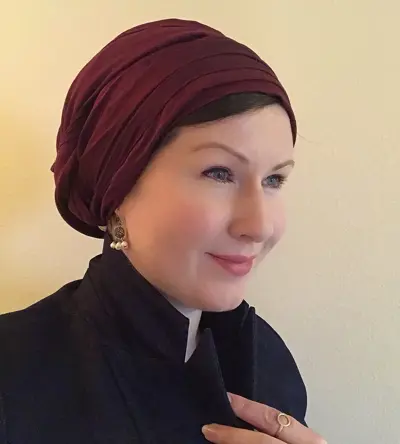
Gwendolyn Willow Wilson, known professionally as G. Willow Wilson, is an American comics writer, prose author, essayist, and journalist. Her first graphic novel, Cairo (published by Vertigo in 2007), was written after living for a time in Egypt, and was listed as a top graphic novel for teens. She is well known for relaunching the Ms. Marvel title for Marvel Comics starring a 16-year-old Muslim superhero named Kamala Khan.
