Amanda Foreman Quotes
Foot-binding, which started out as a fashionable impulse, became an expression of Han identity after the Mongols invaded China in 1279. The fact that it was only performed by Chinese women turned the practice into a kind of shorthand for ethnic pride.
Foreman, Amanda. "Why Footbinding Persisted in China for a Millennium." Smithsonian Magazine, Feb. 2015.


After the WWI Turkish massacre of Armenians and the casualties of WWII, large numbers of Armenians were outside of Armenia which was a part of the Soviet Union and many ethnic Russians were moved into Armenia thus dominating the country. The ethnic Armenians found themselves a minority in their own homeland,


Historically, these were not countries like Egypt, Tunisia, Morocco or Iran. They were created artificially by the European powers in the 20th century.

This statement was more than a proverb but a popular political doctrine as well which had for years destabilized the Balkans. From the Serbian point of view, if a Serbian family moved to Bosnia or another country, their family land and their decedents were Serbian and under the governance of Serbia. Where there were enclaves of Serbs, they and the Serbian Government considered that land Serbian. This attitude even widely prevailed into the 21st century and led to the U. S. War with Serbia over the Serbian attempts to control parts of neighboring countries where Serbs were in the minority. The Serbs were not unique in this respect. Germany, in WWI, had seized territory from France because there were large enclaves of Ethnic Germans in the Sudetenland. The Ancient Romans likewise asserted the protection of Roman Citizens anywhere in the known world.


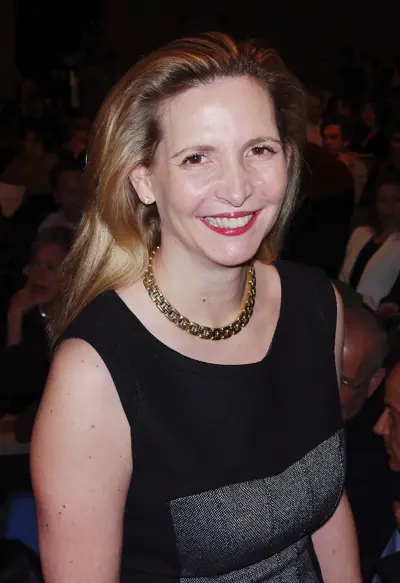
Amanda Lucy Foreman (born 1968) is a British/American biographer and historian. Her books include Georgiana, Duchess of Devonshire, A World on Fire, and The World Made by Women. She also wrote and starred in a four-part documentary regarding the role of women in society, entitled The Ascent of Woman. Currently, she is a columnist for The Wall Street Journal bi-weekly 'Historically Speaking' and an Honorary Research Senior Fellow in the History Department at the University of Liverpool.
