Benjamin Disraeli Quotes
Finality, Sir, is not the language of politics.
1st Earl of Beaconsfield. No matter what policies a government chooses, another government in the future might reverse that policy. Values and preferences of the people change and there is almost always pressure to change direction. As an example, President Harry D Truman first proposed national health insurance, The national policy was NO to such a health reform. But every Democratic President after Truman tried to change the policy. 60 years later, President Obama led the passage of a national health insurance system. However the Republicans immediately started repealing Obama’s plan. There has been and will be no finality on the health care national policy.
Benjamin Disraeli, 1804-1881, British Prime Minister (Tory), Speech in the House of Commons (28 February 1859
Sourced by: Eigen's Political and Historical Quotations


Wolfe uses the term in the classic sense of appeasing Hitler or Stalin—appeasement of a powerful totalitarian force. However some politicians—usually at the extreme wings of the political spectrum—see any concession to political opponents as “appeasement”. Some, like the Tea Party Republicans of that era, regard any compromise as “appeasement”.


Although Great Britain had abolished slavery, British economic interests during the Civil War suffered because of the northern blockade of the South. Much political opinion in England was hostile to the blockade policies of the Union. Bright, a great admirer and supporter of the United Sates and the Union cause was concerned that the United States might drift into War with Great Britain. His letter to Senator Sumner was written with the understanding that it would be in shared with President Lincoln, and it was actually read at a cabinet meeting.
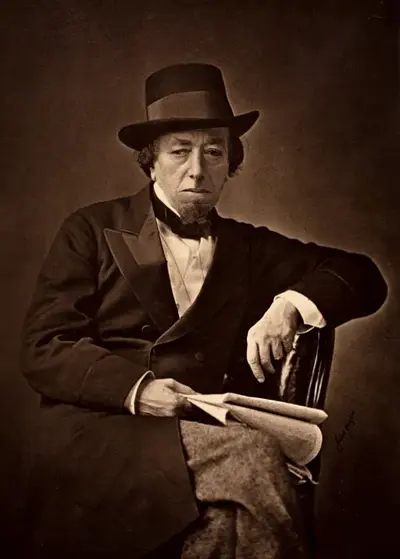
Benjamin Disraeli, 1st Earl of Beaconsfield, KG, PC, MP, FRS, was twice Prime Minister of the United Kingdom, serving in 1868 and from 1874 to 1880. He was a member of the British Conservative Party and played a central role in the creation of the modern Party, defining its policies and its broad outreach. Disraeli is remembered for his influential voice in world affairs, his political battles with the Liberal Party leader William Ewart Gladstone, and his one-nation conservatism or "Tory democracy". He made the Conservatives the party most identified with the glory and power of the British Empire. He is the only British prime minister to have been of Jewish birth. He was also a novelist, publishing works of fiction even as prime minister.
