M. S. Swaminathan Quotes
Farmers in rain-fed, dry areas such as Vidarbha and parts of Andhra Pradesh may own several hectares of land but their farm produce depends on the vagaries of the monsoon.
Swaminathan, M. S. "Agrarian Crisis and Farmers' Suicides." The Hindu, 12 May 2006.


In the Chesapeake Bay and many other bodies of water in the country Agriculture is responsible for most of the remaining pollution. The two biggest agricultural sources are chemicals (runoff from fertilizers and pesticides) and manure (from chicken and hog farms).
Agriculture, in most of the country, uses much more water than the human population does for personal drinking and hygiene, but in a number of places there is just not enough water to support all the uses in our growing nation. Agriculture has been organized and has been willing to spend large amounts of money to bribe and/or lobby legislators to block many efforts to develop water supplies for cities large and small under the theory that the more water that went to cities, the less there would be for agriculture.
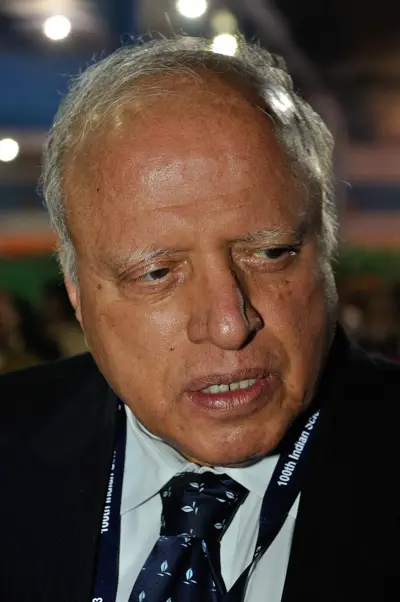
Mankombu Sambasivan Swaminathan is an Indian geneticist and administrator, known for his role in India's Green Revolution, a program under which high-yield varieties of wheat and rice were planted. Swaminathan has been called the "Father of Green Revolution in India" for his role in introducing and further developing high-yielding varieties of wheat in India. He is the founder of the MS Swaminathan Research Foundation. His stated vision is to rid the world of hunger and poverty. Swaminathan is an advocate of moving India to sustainable development, especially using environmentally sustainable agriculture, sustainable food security and the preservation of biodiversity, which he calls an "evergreen revolution."
