William Godwin Quotes
England has been called, with great felicity of conception, 'the land of liberty and good sense.' We have preserved many of the advantages of a free people, which the nations of the Continent have long since lost.
Godwin, William. Thoughts on Man, His Nature, Productions, and Discoveries. Effingham Wilson, 1831.


He was subpoenaed by the House Un-American Activities Committee where he was accused of being a Communist which he eloquently denied starting with this statement. He died of a heart attack 3 days later. However, most historians agree that White passed classified information to the Russians. He was accused of being a Communist, but there was never any evidence of that. Some people believe that he was a spy for the Russians and committed espionage, but others disagree observing that White was very much his own man and felt that much information that was classified never should have been. White substituted his own judgment, it is believed, about what could be given to the Russians for the security system. He was an admirer of what Russian socialism had accomplished economically, educationally and medically since the 1917 revolution deposing the Czar. Russia had been a valuable military ally, which had taken the brunt of both military and civilian casualties in WWII. White’s economics were certainly not Marxist but very much Keynesian.


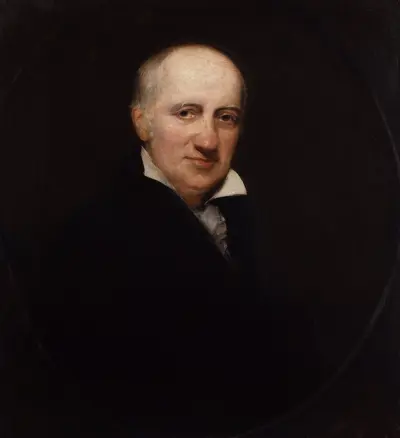
William Godwin was an English journalist, political philosopher and novelist. He is considered one of the first exponents of utilitarianism and the first modern proponent of anarchism. Godwin is most famous for two books that he published within the space of a year: An Enquiry Concerning Political Justice, an attack on political institutions, and Things as They Are; or, The Adventures of Caleb Williams, an early mystery novel which attacks aristocratic privilege. Based on the success of both, Godwin featured prominently in the radical circles of London in the 1790s. He wrote prolifically in the genres of novels, history and demography throughout his life.
