John Shelby Spong Quotes
Edward Schillebeeckx is probably as fine a New Testament scholar as I've ever read. He's a Dutchman. And he was harassed so many times that it was just painful for him. He constantly had to go to Rome to explain his views.
Spong, John Shelby. Here I Stand: My Struggle for a Christianity of Integrity, Love, and Equality. HarperSanFrancisco, 2000.

Samuel Langhorne Clemens, 1835-1910


Saint Benedicta was born and brought up as a Jew and converted to Catholicism. She and a few other leading German Catholics spoke out forcefully against Nazi crimes and immoralities. She was one of the few German Catholics who wanted the Pope to act more forcefully in Germany. The most controversial aspect of the Pontificate of Pius XI was his relative silence and failure to use the powers of the church and excommunication to condemn and control the Nazi rise to power and their, aggression, discrimination, and atrocities including mass murders. The Pope did occasionally speak out condemning the worst of the German Nazi outrages to morality, but he did not do so very vigorously or order the German Cardinals and other bishops to do so. Supporters of Pius XI point out that the entire Catholic Church in Germany was in peril. The Nazis might have shut down their churches, jailed or murdered priests and seize church property. Many of the German Catholics, including the clergy, were Nazi party members or supporters, and he feared a political schism of German Catholics as well. And Italy, surrounding the Vatican was then under the control of the Italian Fascists who were allies of the Nazis, The Vatican itself and its staff were themselves vulnerable and could have been easily occupied. Apologists for Pius XI observe that the entire Church and its leadership could have been wiped out had they ignored the practicality that the Fascists were in control and would tolerate the Church just so far. Saint Teresa and other Catholics who were outspoken, along with the few Protestant Lutheran Clerics who opposed the Nazis, were indeed arrested and Saint Teresa was finally murdered at the Auschwitz concentration camp. Even that did not galvanize Pope Pius XI to assertive anti Nazi action. The records of the Vatican for that period have not been opened for public study so it is not known for sure that the Pope even saw Saint Teresa’s letter or it was intercepted by the strong pro Nazi faction in the Vatican. That year, Pius signed a Concordat (agreement) with the Nazi Government which many in the Vatican naively believed would control and limit the worst of the Nazi actions. But by 1937, Pius condemned the “violations” of the Concordat and Nazi anti-Semitism as well (encyclical written in German, Mit brennender Sorge (With Burning Anxiety). His critics observe that he went no further, even with the Catholic Nazi clerics and other Catholics. The Carmelite order tried to protect Saint Teresa who was then just a non and leading Catholic intellectual (she had a PhD in philosophy) by sending her to a Carmelite facility in Holland. But the Germans overran the Netherlands, arrested her and sent her to Auschwitz where she was martyred. She was beatified by Pope John Paul II in 1987.


Two were executed and the others sent to the Gulags. This is often quoted to show how hostile the Soviet Union was to all religions.


The Netherlands and Belgium then belonged to Spain. However, Protestantism was spreading to the Netherlands. The Duke of Alva was a Catholic fanatic and advised the King to send him and an army into the Lowlands to root out and kill the heretics. In contrast, the Duke of Feria counseled allowing the lowlands tolerance and warned that if the Inquisition and Alva’s army were introduced and would be feared as Alva wanted, the might get desperate and do unexpected things like revolt. The King, a Catholic fanatic himself, sent Alva and the Inquisition. In the next 12 years, fear spread throughout the lowlands. Finally, the people became so desperate that they did revolt and the lowlands gained their independence and Spain lost their most important and European possessions.

The Netherlands and Belgium then belonged to Spain. However, Protestantism was spreading to the Netherlands. The Duke was a Catholic fanatic and advised the King to send him and an army into the Lowlands to root out and kill the heretics. In contrast, the Duke of Feria counseled allowing the lowlands tolerance. The King, himself a bloody fanatic sent Alba with the army. Over the next decade he murdered and executed thousands of Protestants and many Catholics who were more tolerant and thought Alba, who was given the derogatory nickname of “The Iron Duke. Ironically, this led to the Lowlands revolting and gaining independence from Spain.
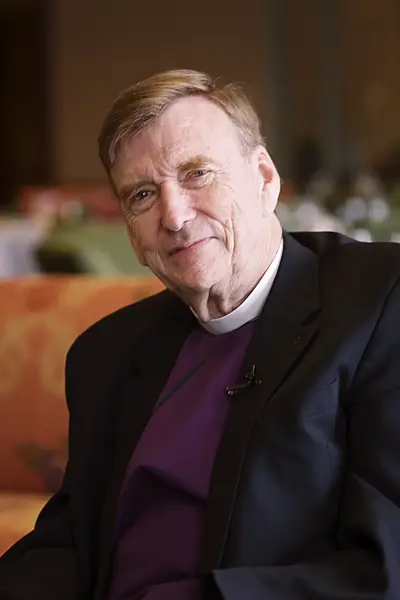
John Shelby "Jack" Spong is a retired American bishop of the Episcopal Church. From 1979 to 2000, he was the Bishop of Newark, New Jersey. A liberal Christian theologian, religion commentator and author, he calls for a fundamental rethinking of Christian belief away from theism and traditional doctrines.
