Marc Antony Quotes
Each duumvir shall have the right and the power to employ two lictors, an aide, two clerks, two summoners, a copyist, a crier, a soothsayer, and a flutist
Member of the Triumvirate. This was the set of laws for the Roman colony in Urso, Spain. It is much like Roman law and it is very valuable because so much of it has been preserved whereas the laws of Rome itself comes to us in fragments and from secondary sources. This is one of the first formal regulations regarding staffs of officials. In this case it was for a duumvir. Even though Rome had an Emperor, these and other positions were elected. This was a type of mayor or magistrate that combined the Judicial and Executive functions of a city of community. There were always TWO duumvirs of equal rank. This assured that one was more likely to be available at any time, but the major reason was that they could acts as a check and balance on each other. Lictors were security guards. The soothsayer was supposed to be able to divine the future. Today, the modern role is often filled by economists. Summoners were like sheriffs or process servers. The flutists do not have a modern equivalent but their role was to preceed the mayor so that people would know he was coming. This law was actually drafted by Julius Caesar. Antony later issued it.
Marc Antony, 83 B.C.-30 B.C., Roman Ruler Charter of Urso, 44 B.C.
Sourced by: Eigen's Political and Historical Quotations

This is but another example of term limits in early America.

See Charles James Fox, John Milton, Jeremy Bentham, George Mason, Henry Clay, Benjamin Disraeli and Woodrow Wilson for similar expressions of this idea.


President Roosevelt had a meeting with the then general, for the first time, and in the discussions Roosevelt felt that De Gaulle was taking too much authority upon himself and wanted to make all decisions for France that should be made by a government. Roosevelt reminded De Gaulle that he was not an elected official. Winston Churchill who was also present privately told Roosevelt that for his part he would burn him but his government wouldn’t allow it.

The hearings were on indecency in broadcasting.

Note that early constitutional experts assumed that one of the President’s roles was to be non partisan and control partisanship. Note the phrase ‘prevent the artifices of party’. The early founders were very wary of political parties of ‘factions’ as Madison called them. However, most were extremely partisan although in the Presidency partisanship was toned down by George Washington but after him, partisan ship became the norm.

He was a Republican who served a Democratic President to the distress of some of the extreme right wingers of the Republican Party.


Dr. Franklin, the oldest delegate, had written his speech but was feeling too weak to present it. The other Pennsylvania delegate, James Wilson, read his speech.

See Charles James Fox, John Milton, Jeremy Bentham, George Mason, Grover Cleveland and Woodrow Wilson for similar expressions of this idea.

5th Earl of Rosebery

Charles I was tried by Parliament but at the time there was the concept of Royal Impunity and there was no existing crime that he could be charged with despite the murder of many of his citizens. Cooke established the legal precedent making Tyranny a crime. See {624032}.


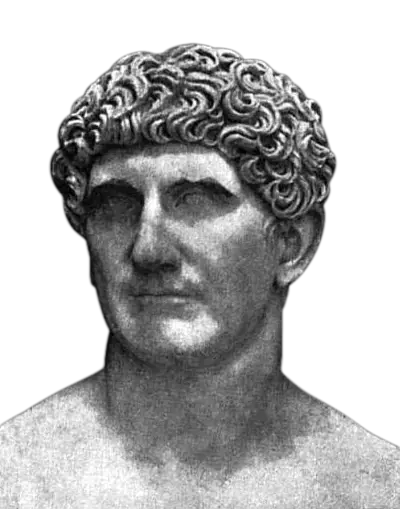
Marcus Antonius, commonly known in English as Mark Antony or Anthony, was a Roman politician and general who played a critical role in the transformation of the Roman Republic from a constitutional republic into the autocratic Roman Empire.
