Shoghi Effendi Quotes
Duties of those whom the friends (term for Bahais) have freely and conscientiously elected as their representatives are no less vital and binding than the obligations of those who have chosen them. Their function is not to dictate, but to consult, and consult not only among themselves, but as much as possible with the friends whom they represent. They must regard themselves in no other light but that of chosen instruments for a more efficient and dignified presentation of the Cause of God. They should never be led to suppose that they are the central ornaments of the body of the Cause, intrinsically superior to others in capacity or merit, and sole promoters of its teachings and principles.
Shoghi Effendi, 1897-1957, Guardian of the Bahai (Leader of the Religion), Grandson of the Bahai founder Bahaullah, Letter to the Bahahi of America, February 23, 1924
Sourced by: Eigen's Political and Historical Quotations


The senator had taken positions that were sometimes unpopular with voters.


Pardee was out of office at the time he made this statement.


Samuel Langhorne Clemens, 1835-1910


This was his version of the governing body of a republican commonwealth. His assumption was that the ablest men would be the nobility, the educated and religious (Catholic) elite.


Bartolo was the most famous legal expert of his day and for many years thereafter as he died at the age of 44—the height of his career. In Italy, Spain and other nations of Europe there were statutes passed that said if there was no precedent in Roman Law, the writings of Bartolo should dictate the law.
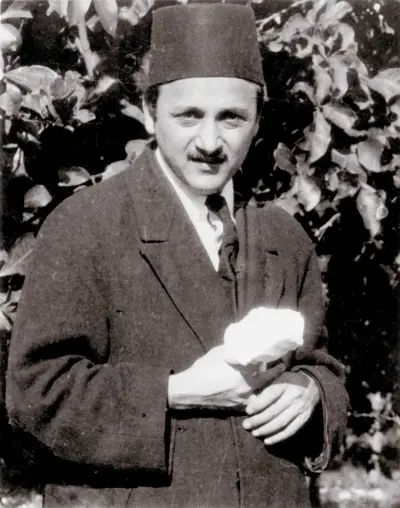
Shoghí Effendí was the grandson and successor of ʻAbdu'l-Bahá, appointed to the role of Guardian of the Baháʼí Faith from 1921 until his death in 1957. Shoghi Effendi created a series of teaching plans that oversaw the expansion of the faith to many new countries. He also translated and provided authoritative interpretation of many of the writings of the Baháʼí central figures. He was succeeded by an interim arrangement of the Hands of the Cause until the election of the Universal House of Justice in 1963.
