Florence Dwyer Quotes
Differences between male and female should not serve as a subterfuge for denying the human and civil rights that belong to us all … Women, like their male counterparts, should be judged by the law as individuals, not as a class of inferior beings.
Florence Dwyer, U. S. Congresswoman (*, New Jersey), House Debate, August 1970
Sourced by: Eigen's Political and Historical Quotations


She was overly optimistic. She would be dead for 30 years before women got the vote and some would argue that full equality has not been reached yet.

This relatively radical viewpoint regarding equal rights for women was expressed by Roosevelt as his Senior thesis at Harvard in 1880. In those days, the kind of scrutiny of everything a candidate ever wrote or said that is characteristic of modern politics, did not exist. It is very doubtful that if the Republican Party officials had ever known that he had espoused these views—even as a young student, that he ever would have risen so high in the party, much less get nominated at the Vice Presidential candidate which was his entree to the Presidency. When in office however, there is no record of him reviving his youthful proposal that women who marry retain their maiden names.

This intransigent position was used against Cellar in the next primary election and he was unseated from Congress and his political career ended by a young woman who "dared" to disregard the gender differences. She made his block her main campaign issue.


Mrs. Roosevelt thought that with the rate of improvement in society’s perception and treatment of women was improving so steadily that women in America were not far from equality. Because of the shortage of men on the home front in WWII women had performed well in virtually all occupations including welding, heavy construction and management and it was just a matter of time to reach equality of pay and parity. However, she and most feminists did not take into account the 2 million men returning from military service who wanted their jobs back. Sexists, who had been suppressed during the war when they objected to women in non traditional occupations, were no longer silenced by national necessity. An occupational backlash developed. Then a sexual one regarding contraception and family planning, (Condoms for example were illegal up to 1963 as birth control device). Each major step forward was accompanied by its own backlash and even in the Presidential Campaign of 2012 contained debate on women’s control over their own bodies relative to abortion and contraception.

Even as suave and sophisticated man as JFK was unsure of proper behavior with women involved in politics in the 1950s. In a way, this quotation shows us how far we have come in the half century following Kennedy’s statement.


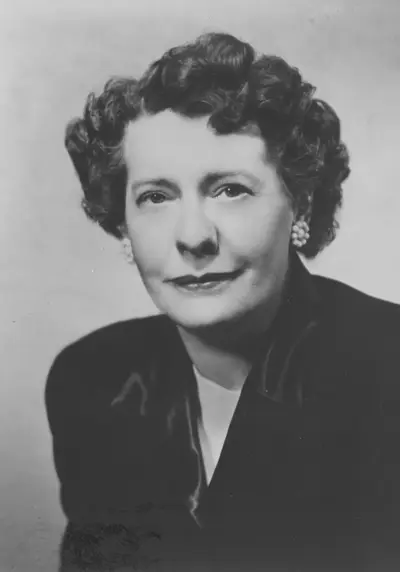
Florence Price Dwyer was an American Republican Party politician who represented much of Essex County, New Jersey in the United States House of Representatives from 1957 to 1973. From 1967 to 1973, she also represented parts of Union County, New Jersey.
