Bob Marley Quotes
Children are wonderful. It don't take plenty y'know. Just a nice girl who don't take birth control. Sexual intercourse is a lovely thing.
White, Timothy. Catch a Fire: The Life of Bob Marley. Holt, Rinehart and Winston, 1983.


The Job Corps was planning allowing poor girls to enter as well the program which had been so successful for the boys. The immediate issue of the supply of birth control devices faced the program. Shriver, then the Poverty Czar with the concurrence of President Lyndon Johnson authorized the use of Federal moneys to pay for birth control devices for the female Job Corps members. This appears to be the first time that the Federal Government officially used public funds for birth control. Even with the voluntary ability of the girls to obtain birth control, pregnancy was still one of the major reasons for dropping out of the program.


In 1877 Annie Besant and Charles Bradlaugh attempted to publish The Fruits of Philosophy in Britain. It was a book on Birth Control. The two were immediately arrested and charged with publishing an ‘obscene’ book. Gifford was the Public Prosecutor. The authors were convicted and sentenced to 6 months in prison. However, they appealed and were exonerated in the appeal. The case was good for Gifford who went on to become Lord Chancellor of Britain. The trial was a strong motivator for Annie Besant to have a very activist career thereafter.


Kenyans were dying in droves from AIDS and the abstinence programs had not stemmed the spread of AIDS.


This is an important reason to preserve the right of women to have abortions that few people make out loud in public, but is a major factor in the vast majority of the decisions women make each year to have an abortion.


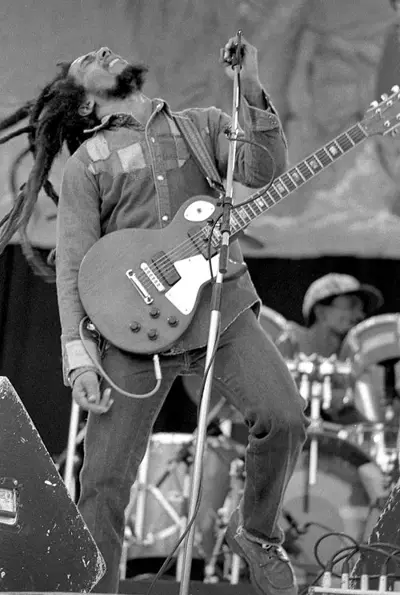
Robert Nesta "Bob" Marley, OM was a Jamaican singer, songwriter, and musician. Considered one of the pioneers of reggae, his musical career was marked by fusing elements of reggae, ska, and rocksteady, as well as his distinctive vocal and songwriting style. Marley's contributions to music increased the visibility of Jamaican music worldwide, and made him a global figure in popular culture for over a decade. Over the course of his career Marley became known as a Rastafari icon, and he infused his music with a sense of spirituality. He is also considered a global symbol of Jamaican music and culture and identity, and was controversial in his outspoken support for the legalization of marijuana, while he also advocated for Pan-Africanism.
