James Anthony Froude Quotes
Change is strong, but habit is strong too; and you cannot change the old for new, like a garment.
Many conservatives of the 19th Century honestly believed that for a well-grounded man, it was impossible to make a radical moral or cultural change. Froude thought that it was but should be done very carefully and sparingly. See {636915}.
James Anthony Froude, 1818–1894, English historian, novelist, philosopher biographer, and editor of Fraser's Magazine, The Nemesis of Faith, 1849
Sourced by: Eigen's Political and Historical Quotations


Samuel Langhorne Clemens, 1835-1910


5th Earl of Rosebery. At this point in history, America was growing rapidly, but had not yet become a dominant superpower. Rosebery was prescient enough to realize that although England was the great superpower of the time, the very conservative values were holding the nation back. He saw America as the model, even when England was still the dominant empire in the world.


There are a few modern progressive conservatives who believe this point of view, but most generally resist change.


1st Earl of Beaconsfield

1st Baron Macaulay. See {620691} for a related idea.

See Heraclitus {436440} for the ancient Greek exposition of this idea.


Honore Gabriel Victor Requiti


She campaigned alone traveling throughout the South by train. She argued for change regarding civil rights. No First Lady had ever campaigned alone before, including Eleanor Roosevelt.
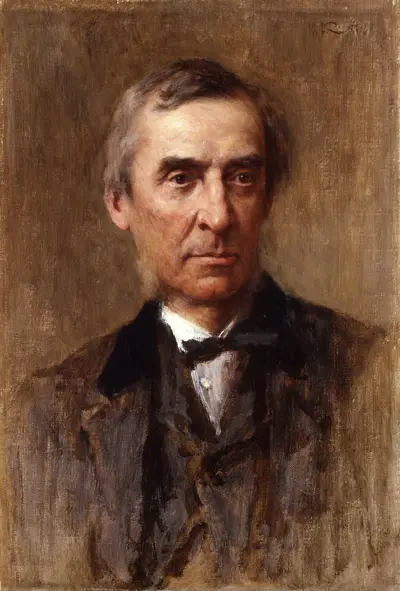
- Born: April 23, 1818
- Died: October 20, 1894
- Nationality: English
- Profession: Historian
James Anthony Froude FRSE was an English historian, novelist, biographer, and editor of Fraser's Magazine. From his upbringing amidst the Anglo-Catholic Oxford Movement, Froude intended to become a clergyman, but doubts about the doctrines of the Anglican church, published in his scandalous 1849 novel The Nemesis of Faith, drove him to abandon his religious career. Froude turned to writing history, becoming one of the best known historians of his time for his History of England from the Fall of Wolsey to the Defeat of the Spanish Armada. Inspired by Thomas Carlyle, Froude's historical writings were often fiercely polemical, earning him a number of outspoken opponents. Froude continued to be controversial up until his death for his Life of Carlyle, which he published along with personal writings of Thomas and Jane Welsh Carlyle. These publications illuminated Carlyle's often selfish personality, and led to persistent gossip and discussion of the couple's marital problems.
