Thomas Sowell Quotes
Brainy folks were also present in Lyndon Johnson's administration, especially in the Pentagon, where Secretary of Defense Robert McNamara's brilliant 'whiz kids' tried to micro-manage the Vietnam war, with disastrous results.
Sowell, Thomas. Intellectuals and Society. Basic Books, 2009.

Had he signed such a treaty in 1968, he would have been pilloried by the Conservatives of both parties for selling out the interests and principles of the United States and shackling the military before they could win the war. The military was lying about their successes and there were very few. Further, our ally whose government we were protecting from armed revolution was totally corrupt and did not support freedom and democratic values much more than the North Vietnamese Communists did. The Vietnamese in the South had little to fight for unless they were proofing from the corrupt government. There was no possibility that American could have won the war under those conditions. When the Nixon Administration signed the treaty, some of the ultra conservatives objected, but Nixon was a Republican anti-Communist and red baiter and this blunted the opposition of the bulk of the conservatives who were seeing a more realistic view of the war. The liberals who hated Nixon, however, supported him on this matter which was then their most important issue.


See the Macnama telephone quotation when the Joint Chiefs of Staff wanted many more combat soldiers in Vietnam. Johnson felt he had no political choice.

Podharetz was citing the Vietnam war. The two American occasions where the plausibility seemed to fade were the Vietnam War and The Irag war. Both Presidents Lyndon Baines Johnson and George W. Bush as Bismarck predicted, had much political trouble over the wars.


In the phone conversation, the President agreed. Where the two ended up diverging was how much military action was required before a political settlement could be negotiated on favorable terms.


Later, when he ran for the Democratic Presidential Nomination had had changed his mind and was a major opponent of the Vietnam War. This was the pattern of so many Americans whose first instinct was to support the government’s decision to wage war, and over time grew disenchanted with the war and ended up opposing the war actively.


War and international conflict had become very complicated in modern times. Americans and most other people associated victory in war with unconditional surrender. However, since the unconditional surrender is of WWII, no conflict has ended with an unconditional surrender.


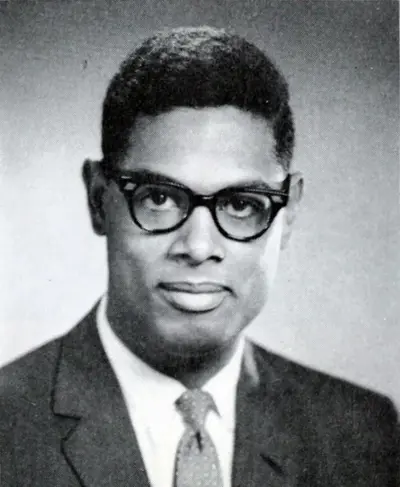
Thomas Sowell is an American economist, social theorist, and senior fellow at Stanford University's Hoover Institution.
