James G. Blaine Quotes
At this time there was but one among the great nations of the world which adhered to an active and avowed friendship for us. "We desire above all things the maintenance of the American Union as one indivisible nation," was the kindly and always to be remembered greeting that came to us from the Emperor of Russia.
James G. Blaine, 1830-1893, U. S. Congressman & U. S. Senator (Republican, ME), Republican Nominee for President, U. S. Secretary of State, Twenty Years of Congress
Sourced by: Eigen's Political and Historical Quotations


There is one condition for us to have healthy relations with the United States. It's called respect.
This is an old and critical concept in American relations with the rest of the hemisphere which Simon Bolivar used to refer to as “respecto.” Americans tend to be relatively unconcerned by what other nations think of America, and since the US has been so successful, it has developed a strong national ego. Other nations, not so successful in modern times, tend to place a great deal of importance on the notion of respect. It is a major factor in most of the world.

The sentence was actually drafted by Secretary of State William H. Seward.

The two were cousins. Wilhelm was a very dominant personality and his cousin quite weak. This quotation shows the egomaniacal view of the German Kaiser. The letters were secret but after the execution of the Czar, the Russians released the letters to show the dominant and warlike history of Germany under the Kaiser who was furious that the Russians had made such personal and secret letters public.


Warning Donald Trump and his administration of the consequences of the United States that withdrawing from many of the major world issues would result in other nations replacing the US as world leaders on these issues.


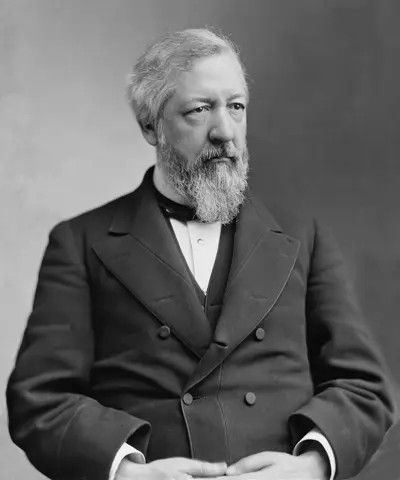
James Gillespie Blaine was an American statesman and Republican politician who represented Maine in the U.S. House of Representatives from 1863 to 1876, serving as Speaker of the U.S. House of Representatives from 1869 to 1875, and then in the United States Senate from 1876 to 1881.
