Robert H. Grubbs Quotes
As I grew older, farms in Kentucky provided me with many jobs in hauling hay and in cutting tobacco. In addition to helping fund my college years, these jobs helped me to meet an array of very interesting and amazing men and women.
Grubbs, Robert H. "Robert H. Grubbs - Biographical." Les Prix Nobel 2005, edited by Karl Grandin, Nobel Foundation, 2006.


Many ministers and others looked at the migration of the rural population to the cities as a national issue of morality and decay. They fought a losing battle. See {631005} for his puzzlement and its details.


Both Mrs. Roosevelt and the President, wealthy sophisticated “city” people, went out of their way to learn about rural life in the country, and they both were always champions and defenders of agriculture and rural America—much more so than many politicians who came from rural states.

This quotation illustrates the fact that there was, contrary to popular myth, no gun culture in Colonial America. Few Americans could afford guns which cost 2 to 3 months wages of a skilled worker. And there were few guns available as there was not a single gun manufacturer in Colonial America. Gunsmiths would come over from England and find that business was terrible as most Americans did not own guns and they were not part of the culture other than the fact that they were status symbols as they were so costly. The gunsmiths would find that they could do better economically by farming and left their trade. Meanwhile, the legislature, like most in America at the time was concerned that if there were trouble with the Indians there would not be enough guns for defense. The guns then were in frequent need of repairs and there were too few gunsmiths. Thus the law. It didn’t work and so in 1662 they tried tax exemptions for gunsmiths which also didn’t work and they went back to fines.
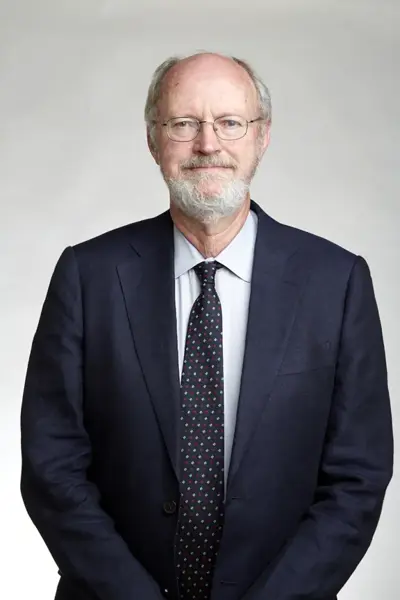
Robert Howard Grubbs ForMemRS is an American chemist and the Victor and Elizabeth Atkins Professor of Chemistry at the California Institute of Technology in Pasadena, California. He was a co-recipient of the 2005 Nobel Prize in Chemistry for his work on olefin metathesis. He is a co-founder of Materia, a university spin-off startup to produce catalysts.
