Edward Abbey Quotes
Among politicians and businessmen, *Pragmatism* is the current term for 'To hell with our children.'
Abbey, Edward. A Voice Crying in the Wilderness (Vox Clamantis in Deserto). St. Martin's Press, 1989.


She was commenting on the incident when in 2013, Congress awarded its highest honor to the 4 young Black girls who were murdered in Birmingham, Alabama at the height of the Civil Rights Movement by the KKK who set off a bomb in the 16th Street Baptist Church. The sister of Addie Mae Collins, one of the murdered girls, who herself was wounded in the bombing, refused the medal on behalf of her dead sister. She resented the fact that it had taken all these years for Congress to make this gesture and then would not do anything that might cost money such as monetary restitution. When the Muslim terrorists murdered people in the 9-11 World Trade Center attacks, Congress swiftly arranged for restitution payments to go to the relatives of the murdered victims and to those wounded. However to many people, when white terrorists murder black victims no restitution many comes forth—only a medal. See {634035} for the sister’s statement.


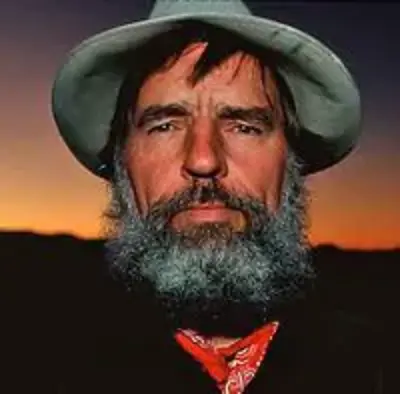
Edward Paul Abbey was an American author and essayist noted for his advocacy of environmental issues and criticism of public land policies. His best-known works include Desert Solitaire, a non-fiction autobiographical account of his time as a park ranger at Arches National Park considered to be an iconic work of nature writing and a staple of early environmentalist writing; the novel The Monkey Wrench Gang, which has been cited as an inspiration by environmentalists and groups defending nature by various means, also called eco-warriors; his novel Hayduke Lives; and his essay collections Down the River (with Henry Thoreau & Other Friends) (1982) and One Life at a Time, Please (1988).
