Nicholas Kristof Quotes
American airstrikes...create risks, especially if our intelligence there is rusty. The crucial step, and the one we should apply diplomatic pressure to try to achieve, is for Maliki to step back and share power with Sunnis while accepting decentralization of government. If Maliki does all that, it may still be possible to save Iraq. Without that, airstrikes would be a further waste in a land in which we've already squandered far, far too much.
Kristof, Nicholas. "How to Save Iraq." The New York Times, 18 June 2014.


There was huge pressure on the central government to decentralize as they held all the power in Indonesian society. However, if they devolved power to the Provinces (States), many of them could be large enough and independent enough to secede and become an independent country as East Timor had done. So the Indonesian power structure bypassed the Provincial governments and devolved power directly to the local governments, none of which was independent enough to go it alone. The desired objective was met—no more secessions. However, there was no one to worry about regional and national issues and problems as the politicians who had power were all local. The country was becoming non-functional in many ways.
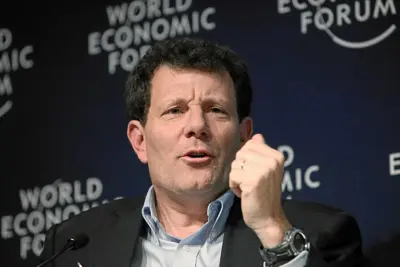
Nicholas Donabet Kristof is an American journalist and political commentator. A winner of two Pulitzer Prizes, he is a regular CNN contributor and has written an op-ed column for The New York Times since November 2001. Kristof is a self-described progressive. According to The Washington Post, Kristof "rewrote opinion journalism" with his emphasis on human rights abuses and social injustices, such as human trafficking and the Darfur conflict. Archbishop Desmond Tutu of South Africa has described Kristof as an "honorary African" for shining a spotlight on neglected conflicts.
