Ambrose Bierce Quotes
Alliance, n. In international politics, the union of two thieves who have their hands so deeply inserted in each other's pocket that they cannot separately plunder a third.
Ambrose Bierce, 1842-1914?, Journalist & Political Columnist, The Cynic’s Word Book, 1906
Sourced by: Eigen's Political and Historical Quotations


At the time, he was president of a de facto Puppet state of the soviet Union. However, many Afghans paid him no heed, and attacked Russians and their assets in Afghanistan with the object of driving the Russians out which they finally did.


The existing treaties of many of the different European countries like the NATO Treaty obliged them to assist their allies if they were involved in war. Once Austria attacked Serbia, Russia had to assist Serbia against Austria. Germany then joined with Austria and that triggered the treaty whereby France had to support Russia. And when Germany overran Belgium to attack France, England was obligated to come to Belgium’s defense. The only country that had planned for and wanted war was Germany who used her obligation to Austria as the excuse to implement her war plans (see {642092}). The entire Western World was at war when all but one nation wanted to avoid war. The communications and diplomacy of the time could not keep up with events and one of the worst wars in history ensued.


At the time, Palestine was technically Turkish territory. Turkey was one of the defeated axis powers in World War I. England, as part of the World War I peace treaties, had control over Palestine as well as most of the rest of the Middle East.

Shortly thereafter the United States joined the allies and the First World War.

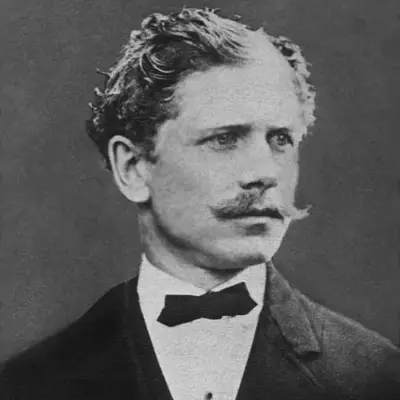
Ambrose Gwinnett Bierce was an American short story writer, journalist, poet, and Civil War veteran. His book The Devil's Dictionary was named as one of "The 100 Greatest Masterpieces of American Literature" by the American Revolution Bicentennial Administration. His story "An Occurrence at Owl Creek Bridge" has been described as "one of the most famous and frequently anthologized stories in American literature"; and his book Tales of Soldiers and Civilians (also published as In the Midst of Life) was named by the Grolier Club as one of the 100 most influential American books printed before 1900.
