Erik Erikson Quotes
Albert Einstein had learned to look into cameras as if he were meeting the eyes of the future beholders of his image.
Although Einstein never accepted the political positions offered to him, had had many of the skills of able politicians including the visage he presented to cameras.
Erik Erikson, Developmental Psychologist, Quoted in Richard Rhodes, The Making of the Atomic Bomb, 1986
Sourced by: Eigen's Political and Historical Quotations


Stimson had been a key member of the Theodore Roosevelt national administration, and Roosevelt, before he became Vice President and then President had been a very popular governor of NY. Stimson, although a brilliant administrator, and statesman was a bit stuffy and aloof and was a terrible campaigner. He thought it immodest to refer to himself in public or to talk about his record. So the Republicans tried to tie him to Roosevelt who was still very popular. See {589268}. It was not enough. Stimson lost.

In this letter Adams was complaining about this public image point of view in politics. He was particularly offended by Benjamin Franklin, his colleague in France, who was the superstar of the day. Ironically, while Franklin did not discourage things like his portrait in a coon-skin cap appearing on European dinnerware, he seemed to acquire the publicity naturally. Adams, who at first castigated image manipulation, by the time he became President tried to do it too much and was pilloried by his enemies for his efforts which they ascribed to his vanity.


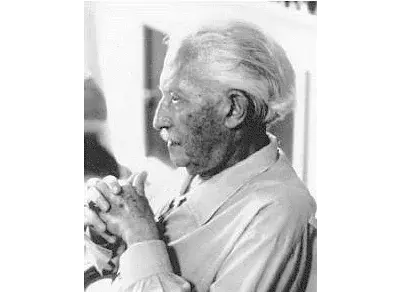
Erik Homburger Erikson was a German-American developmental psychologist and psychoanalyst known for his theory on psychological development of human beings. He may be most famous for coining the phrase identity crisis. His son, Kai T. Erikson, is a noted American sociologist.
