Ellen Glasgow Quotes
a successful politician does not have convictions; he has emotions.
Glasgow, Ellen. The Voice of the People. Doubleday, Page & Co., 1900.


Taylor was the Chief Prosecutor of the Nazi War Criminals at the Nuremberg Trials after World War II. After the war, there were tens of thousands of Nazis that were guilty of War Crimes. As an expediency measure, the allies decided to not formally prosecute 100,000 of the lower ranking war criminals casing the British Prosecutor to resign in protest. However, most Americans had no idea that there were so many war criminals and that the decision had been made not tp prosecute them. There were a number of trials and convictions of the highest ranking Nazis, the highest profile Nazi war criminals were executed or given life sentences. However, a larger group of the 2nd tier of war criminals benefitted from the politics of the beginning of the Cold War. Some politicians in the United States thought these Nazi War Criminals might be useful to the West in the coming struggle with Russia. Politically, they did not have enough clout to free them, but they persuaded McCloy to commute their death sentences, so that they might be released a little later to work for us against the Russians. Also, they shortened the sentences of others. The result was that there were after a few years. number of mass murderers and slave labor exploiters who ended up in significant positions in the West German government, and some like Werner Von Braun were brought to the United States to strengthen our Rocket development and jet airplane design, the only two areas where the German's were ahead of us. Most Americans had no idea that murders and war criminals were in these positions until years later.


“Camels” and “Chesterfields” were the brand names of 2 of the very popular cigarettes of the time when the danger of cigarette smoking was not as well understood and a much higher proportion of the nation smoked.


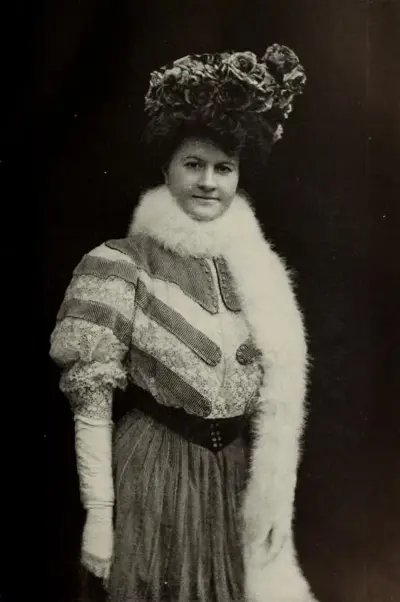
Ellen Anderson Gholson Glasgow was an American novelist who won the Pulitzer Prize for the Novel in 1942. A lifelong Virginian who published 20 books including seven novels which sold well (five reaching best-seller lists) as well as gained critical acclaim, Glasgow portrayed the changing world of the contemporary South, differing from the idealistic escapism that characterized Southern literature after Reconstruction.
