Horace Walpole Quotes
… lame duck
Eldest son of Robert Walpole. He originally coined the phrase to refer to a bankrupt financier. See {585555} for the first American political use of the phrase.
Horace Walpole, 1717-1797, 4th Earl of Oxford, English Economist, Writer & Politician, Letter 1761
Sourced by: Eigen's Political and Historical Quotations

This is the first use of the “lame duck” expression in a political context in the United States. 49 years earlier Englishman Horace Walpole had used the phrase in an economic context. See {585556}.


There were few if any consumer protection laws in those days and many wealthy aristocrats made their money by taking advantage of the poor. They were the landowners, bankers, financiers and often the industrialists. Shaw was a sarcastic social critic and this is a typical line he gave his upper class characters. Today, we have more controls on business and finance, and many wealthy business people have gotten that way by providing great value to the consumers and being honest. However, we still have large numbers of wealthy members of society who do make their money from the poor and middle class by unethical and often illegal means. In the aftermath of the Meltdown of 2008. hundreds of thousands of the homes of the working poor and middle class were foreclosed by the major banks forging the legal documentation for the foreclusures. Millions of consumer contracts are issued that even a PhD cannot understand the terms of without special legal and financial training. There is even a legal definition of a salesperson lying to make a sale which is so commonplace that our law excuses it and calls it "puffing". However, there has been over time, improvement over Shaw's era.

Muir had spoken at the Convention of Scottish Friends of the People at Edinburgh in 1792. He had advocated election reform allowing all men to vote, not just property owners and was sentenced by Braxfield to the Australian penal colony at Botany Bay. Braxfield expressed the deep distrust the establishment felt even for merchants, traders and others with fungible assets.


His predecessors had lied about the status of the Greek Economy and then squandered the money with waste, fraud, and corruption. To avoid total national bankruptcy, Greece needed a large bailout which was given subject to a set of required conditions of reform and transparency. This “austerity” package created a great hardship for many of the average Greek citizens while the wealthy who had benefitted from the previous incompetence and corruption took their money out of the country. The Greek voters elected a new government without much experience but who were committed to lifting the burden of the austerity package. The problem was that the major nations of the Eurozone, whose taxpayers would have to pay for the bailout, had been burned before by Greek government lies and incompetence and did not trust the Greeks, insisting on the austerity measures if any bailout money would be forthcoming. The new Greek government was caught in a great dilemma. Agree to the same kind of Austerity package and continue the great hardships on the people or go into Bankruptcy and leave the Eurozone the consequences of which would probably be worse. The finance minister was hoping for a compromise.


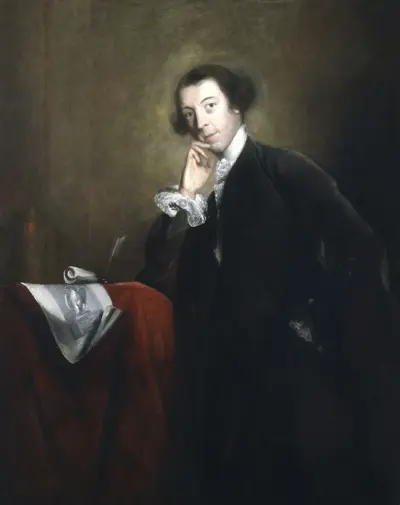
- Born: September 24, 1717
- Died: March 2, 1797
- Nationality: English
- Profession: Author, Politician
Horatio Walpole, 4th Earl of Orford, also known as Horace Walpole, was an English writer, art historian, man of letters, antiquarian and Whig politician.
