PETER LUDLOW
In the digital technology era, the personal computer enabled tens of thousands of young people to become highly skillful at computer technology. Some of them tended to disagree with the government or protest areas of society using the technology to learn information of to communicate their ideas to the world. The government authorities did not have many people who were in the same technological class and very frequently authorities with virtually unlimited resources to protect government secrets or government facilities were embarrassed by being outsmarted by usually young people with little or no resources. When the authorities were embarrassed, they tended to arrest the “hacktivists” and charge them with very serious crimes—far greater or trumped up from no crime at all, in order to punish the hacktivists and discourage others.
In the early 21st century hackers who committed fraud and stole much money were not considered as serious as hackers who would have a political (anti-government) message display on the government’s own website. The latter were considered much more of a threat than the former although the only “damage” the former did was inconvenience and embarassment to government officials.
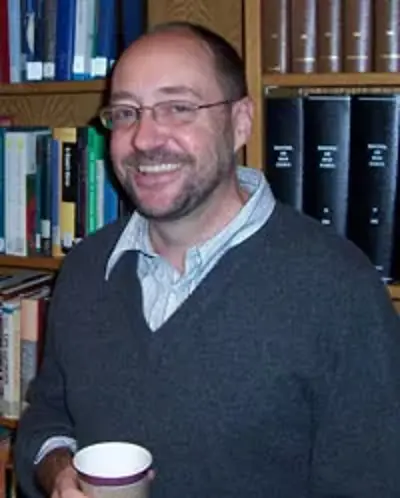
Peter Ludlow, who also writes under the pseudonym Urizenus Sklar, is an American philosopher of language. He is noted for interdisciplinary work on the interface of linguistics and philosophy—in particular on the philosophical foundations of Noam Chomsky's theory of generative linguistics and on the foundations of the theory of meaning in linguistic semantics. He has worked on the application of analytic philosophy of language to topics in epistemology, metaphysics, and logic, among other areas.
