JOHN ROSS

During the Seminole War, Ross, as a very respected Cherokee Chief and leader, had been asked to persuade some if the Seminole Chief’s to come to a conference to discuss and negotiate a settlement to the conflict. Ross was successful . Seminole Chief Micanopy, twelve other chieftains, and a number of Seminole warriors accompanied the Cherokee deputation to the headquarters of the United States Army at Fort Mellon, where they were to discuss the matter. When they arrived General Thomas Jesup arrested the Seminoles instead of negotiating. Ross, a very educated man who was literate in English, o the Secretary of War. Jesup in retrospect was one of the disgraces in the history of the U. S. Army was admired, not for his fighting or his lack of ethics, but for his management and logistics as the Quartermaster General. For more quotations showing Jesup’s character, see quotations 643611 and 643612.
The Chief was contrasting the Cherokee behavior with that if the U. S. Government agents dealing with the Indians who were very eloquent about their friendship with Indians who they had never met before and mad many motives but personal friendship was rarely one.
The Cherokee were settled Indians with farms and ranches. These lands were coveted by many whites and many including President Andrew Jackson was trying to get the Cherokee to trade their land for land in the Oklahoma Territory, despite the white promises of the past Ross took the case to the Supreme Court which ruled that the Cherokee land was theirs and it must be protected for them by the government. But President Andrew Jackson, disobeying the Supreme Court Opinion, forced the Cherokee at gun and bayonet point onto the Trail of Tears to Oklahoma, totally reneging on this quotation and deeds and promises of the past.
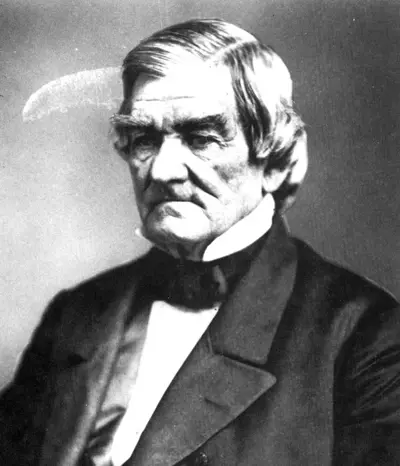
John Ross (Cherokee: ᎫᏫᏍᎫᏫ, romanized: guwisguwi), (meaning in Cherokee: "Mysterious Little White Bird"), was the Principal Chief of the Cherokee Nation from 1828 to 1866 and served longer in that position than any other person. Described as the Moses of his people, Ross influenced the Indian nation through such tumultuous events as the relocation to Indian Territory and the American Civil War.
