JEAN BAPTISTE COLBERT
(Jean-Baptiste Colbert)
Marquis de Seignelay. Even in the Court of Louis XIV, fashion was not only an art form, but was a major economic force for France. Marie Antoinette was the de facto super model of the day and appeared almost every day in a new French designed fashion. All the foreign ambassadors and businessmen would buy these French fashion examples and French clothing would be sold throughout England and Europe as well as other nations. Along with the clothing there was a great jewelry industry, shoes, hats, and other accessories.
Marquis de Seignelay. This shows that the concept of ethnic cleansing has been around for some time. The only thing that prevented the French from implementing the plan was that they couldn’t defeat the Iroquois. There is a certain irony here in that the Iroquois were very much allied with the British even during the American Revolution. After that war, the Iroquois were run out of their traditional lands, not by the French but by the Americans. And where did they go and resettle? Up to then British Canada, the very area where the French so feared them.
The extravagance of Louis XIV caused the conservative Colbert to raise taxes, always an unpopular move. His response: Marquis de Seignelay
Marquis de Seignelay. At the time, a perfectly acceptable justification for war on a people was that they were interfering in the plan to convert the area to one particular religion, in this case, Catholicism.
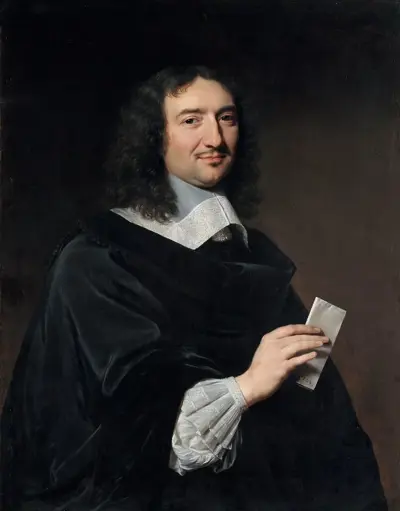
Jean-Baptiste Colbert was a French statesman who served as First Minister of State from 1661 until his death in 1683 under the rule of King Louis XIV. His lasting impact on the organisation of the country's politics and markets, known as Colbertism, a doctrine often characterised as a variant of mercantilism, earned him the nickname le Grand Colbert ([lə ɡʁɑ̃ kɔl.bɛʁ]; "the Great Colbert").
