JAMES BROUN-RAMSAY
(1st Marquess Dalhousie | James Andrew Broun-Ramsay)
The Punjab, like Afghanistan and some other areas had no real tradition of government. The Sikhs of the Punjab had initiated a war with the British Colonial Empire—The 1st Anglo-Sikh War—which ended with a decisive British victory and a peace treaty where the rulers of the Punjab agreed to keep the peace. However, they really could not control the population and some Sikhs again attacked British and Muslim interests. The Governor-General reported that treaties and commitments with the Punjab leaders really meant little. The British also won the 2nd Anglo-Sikh War-. The Governor-General was determined that there would not be a 3rd war with the Sikhs of the Punjab.
The Punjab, like Afghanistan and some other areas had no real tradition of government. The Sikhs of the Punjab had initiated a war with the British Colonial Empire—The 1st Anglo-Sikh War—which ended with a decisive British victory and a peace treaty where the rulers of the Punjab agreed to keep the peace. However, they really could not control the population and some Sikhs again attacked British and Muslim interests. The Governor-General reported that treaties and commitments with the Punjab leaders really meant little. The British also won the 2nd Anglo-Sikh War.
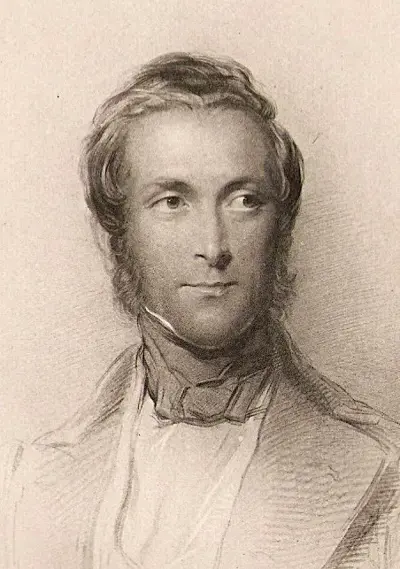
James Andrew Broun-Ramsay, styled Lord Ramsay until 1838 and known as The Earl of Dalhousie between 1838 and 1849, was a Scottish statesman, and a colonial administrator in British India. He served as Governor-General of India from 1848 to 1856.
