IRISH REPUBLICAN ARMY
(IRA)
The woman was kidnapped from her home and shot.
The IRA had just murdered Lord Mountbatten with a bomb on his small boat. Mountbattten, then a 79 year old, elderly man in retirement was a member of the Royal Family. His grandson was also murdered. Mountbatten had not had anything to do with Ireland but to the IRA he was a symbol of British imperialism since he had been the British Viceroy of India. Actually, it was he who had organized and presided over Indian Independence.
There was much similarity between the methods of the Nazis in Germany and the IRA in Ireland at that time. However, their objectives and philosophies were totally different. Like the Nazis, political opponents were “traitors”.
The names cited were the British police and military forces. Fraternization was considered spying and brought death. That year the IRA executed over 100 of their fellow Irishmen, with no trial or chance to defend themselves. Some were scores and personal grudges being settled and others mistakes.
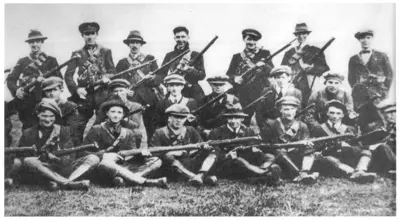
The Irish Republican Army (IRA) is a name used by various paramilitary organisations in Ireland throughout the 20th and the 21st centuries. Organisations going by this name have been dedicated to irredentism through Irish republicanism, the belief that all of Ireland should be an independent republic free from British rule. The original Irish Republican Army (often now referred to as the "old IRA") was raised in 1917 from members of the Irish Volunteers and the Irish Citizen Army, later reinforced by Irishmen (formerly in the British Army in World War I) who returned to Ireland to fight against Britain in the Irish War of Independence. In Irish law, this IRA was the army of the revolutionary Irish Republic as declared by its parliament, Dáil Éireann, in 1919. In the century that followed, the original IRA was reorganised, changed and split on multiple occasions, to such a degree that many subsequent paramilitary organisations have been known by that title – most notably the Provisional Irish Republican Army which was a key participant during the Troubles. The contemporary IRA organisations each claim the sole right to use that name, as they each insist they are the only legitimate descendants of the original IRA.
