EDMUND LUDLOW
This is an excellent example of a theme that has been used since biblical times to justify massacres by military men. Namely that if the first town that you conquer is treated terribly enough, the word will get around and the next town the people will pressure their military to surrender to avoid the same fate. Therefore, they argue, as Ludlow does, that the massacre will reduce future violence. That perverse ethical logic has lasted for a long time. However, that was not the only motive here—vengeance was a major factor. This is another good example of the fact that many of the worst moral atrocities of men were perpetrated and led by men who thought that there were being moral and consonant with God’s will. See {639301} for Oliver Cromwell’s description of the massacre.
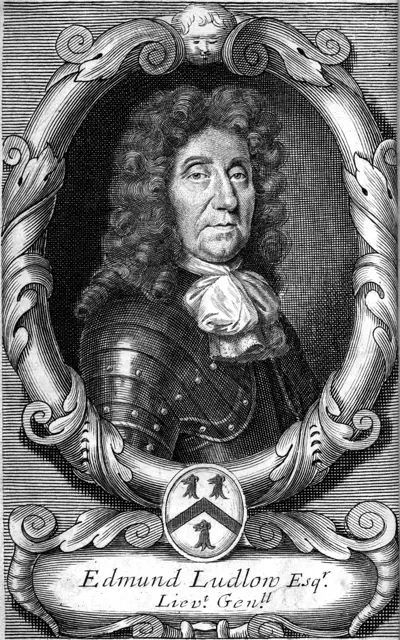
Edmund Ludlow (c. 1617–1692) was an English parliamentarian, best known for his involvement in the execution of Charles I, and for his Memoirs, which were published posthumously in a rewritten form and which have become a major source for historians of the Wars of the Three Kingdoms. Ludlow was elected a Member of the Long Parliament and served in the Parliamentary armies during the English Civil Wars. After the establishment of the Commonwealth in 1649 he was made second-in-command of Parliament's forces in Ireland, before breaking with Oliver Cromwell over the establishment of the Protectorate. After the Restoration Ludlow went into exile in Switzerland, where he spent much of the rest of his life. Ludlow himself spelled his name Ludlowe.
