Horace Quotes
Whom has not the inspiring bowl made eloquent?
[Lat., Foecundi calices quem non fecere disertum.]
Horace. Satires, Epistles and Ars Poetica. Translated by H. Rushton Fairclough, Harvard University Press, 1929, Epistles, bk. 1, ep. 5, line 19, p. 283.


In England and Scotland to this day, the language and accent of a speaker is almost a sure indicator of his/her socioeconomic class. In America this is much less so, and language and accent is more a sign of education than of wealth.

He was JFK’s speech writer.

Nixon was an excellent orator even in his first effort at politics. It was when Nixon used that skill to smear his opponents that the admiration of his opponents turned to resentment and eventually this and his lack of morality in politics led the American people to turn on him.

Ingersoll was the Devil incarnate to most clerics of the time as he was an avowed atheist and a public figure who gave hundreds of speeches and lectures a year. Beecher, himself an intellectual giant also, admired this opponent and refused to participate in the rumors, lies and innuendo that most American clergy did.


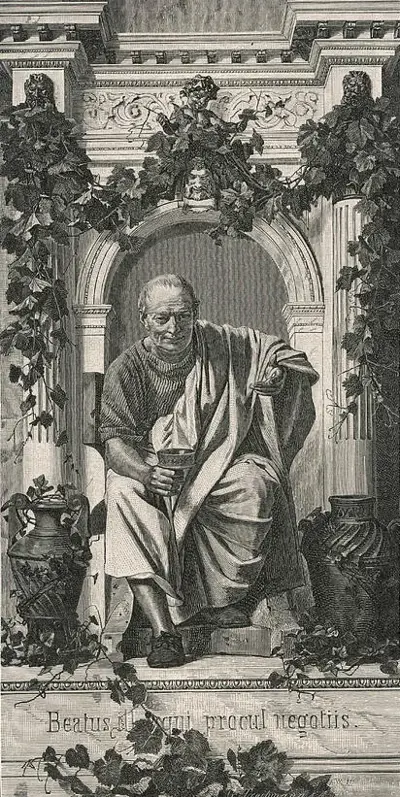
Quintus Horatius Flaccus, known in the English-speaking world as Horace (/ˈhɒrɪs/), was the leading Roman lyric poet during the time of Augustus (also known as Octavian). The rhetorician Quintilian regarded his Odes as just about the only Latin lyrics worth reading: "He can be lofty sometimes, yet he is also full of charm and grace, versatile in his figures, and felicitously daring in his choice of words."
