Edward Abbey Quotes
When the biggest, richest, glassiest buildings in town are the banks, you know that town's in trouble.
Abbey, Edward. A Voice Crying in the Wilderness (Vox Clamantis in Deserto). St. Martin's Press, 1989.


Arguably, for most of American History, most of the “smartest” people contributed to manufacturing, construction, research and development—activities that produce things that are wanted and/or needed. However, Wall Street began attracting and paying for some of the smartest people in the society, who when they engaged in finance—not only contributed less to manufacturing, but began to create highly complex financial instruments and procedures that few people could understand and with which regulators have difficulty understanding. These and the other schemes of financing have been major factors in the economic problems that have beset the economy including the meltdown of 2008 and the subsequent Great Rescission.


Pareto was one of many who distrusted democracy. He was convinced that America in particular would begin to deteriorate as a result of its democracy. He never envisioned the possibility that the reality is just the opposite of what he believed—that it is democracy that makes capitalism thrive in the long run.


This is one of the FDR quotations, which his opponents then, and many conservatives later, characterized as “class warfare.” This type of accusation has in part protected business leaders and those who control wealth from public accountability. Similar business leader resentment was levied against President Obama when he criticized the Bankers and Wall Street leaders whose behavior, in great part, was the cause of the economic meltdown and recession of 2008.


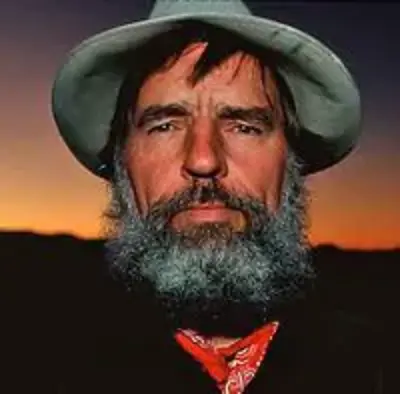
Edward Paul Abbey was an American author and essayist noted for his advocacy of environmental issues and criticism of public land policies. His best-known works include Desert Solitaire, a non-fiction autobiographical account of his time as a park ranger at Arches National Park considered to be an iconic work of nature writing and a staple of early environmentalist writing; the novel The Monkey Wrench Gang, which has been cited as an inspiration by environmentalists and groups defending nature by various means, also called eco-warriors; his novel Hayduke Lives; and his essay collections Down the River (with Henry Thoreau & Other Friends) (1982) and One Life at a Time, Please (1988).
