Gavin Esler Quotes
What mattered in the cold war was weight - how big are your missiles? How heavy are your tanks? What matters in globalisation is speed. How fast is your modem? How good are you communications?
Esler, Gavin. The United States of Anger: The People and the American Dream. Penguin Books, 1997.

His view was that the major driver of globalization is communications and information which travel at light speed.


Referring to the totally inadequate diplomatic communications in the political confusion and crises that led up to the First World War. None of the countries really wanted a large war, but the diplomatic communications were so bad that all operated on the assumption that the others were moving against them and they had to defend themselves or their treaty allies and there were very few opportunities to discern what other countries would do and all of Europe and much else of the world slipped out of control.

He was one of the first to realize that technology was shaping the relations of people and states throughout the world. In 1891 most other people did not appreciate this dynamic including most politicians. However, we might wonder today what period of time he was contemplating when he used the word “rapidly”. Some have concluded that the globalization resulting from technology has been astoundingly fast while others see it as far too slow and it has a long way to go. See the related quotes for others who were early observers of the coming changes. See the Relates Quotes for more of the early observations of this phenomenon.


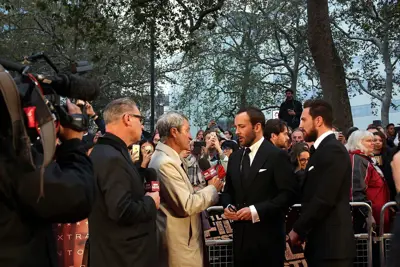
Gavin William James Esler is a Scottish journalist, television presenter and author. He was a main presenter on BBC Two's flagship political analysis programme, Newsnight, from January 2003 until January 2014, and presenter of BBC News at Five on the BBC News Channel. Since 2014 he has served as the Chancellor of the University of Kent. On 11 March 2017, Esler confirmed via his Twitter profile that he would be leaving the BBC at the end of the month to concentrate on his writing activities. He returned to the BBC later that year as host of Talking Books.
