Peter Schuyler Quotes
What is the first thing we did when we took control of Iraq? Protect the oil fields. Remember the administration quote about how the oil would pay for the war.


See {616060} for a similar view. Greenspan for 20 years had been very circumspect in not criticizing Presidents or their actions, and was a Republican. However, he criticized the George W. Bush Iraq War policies.


Immediately after the invasion, there was no census, and the coalition forces and the United Nations election supervisors were concerned that there was not yet a basis of creating regional and district representation so that the 3 major ethnic groups would all have reasonable representation. Nor were there any organized political institutions other than the religious ones. The subtlety that stable democracy is not a “winner take all” tyranny of the majority is lost on many people who see elections and democracy as synonymous. So elections were scheduled for the following year. Many in the Shiite majority wanted immediate elections so that they could control the country in which they had been dominated for years by the Sunni Bath Party minority.


Britain was mired in Iraq. They had, as the U. S. would do about 80 years later, gone into Iraq without a viable exist strategy.

He was referring to the kinds of questions and the assertions made by high administration officials prior to the Iraq War. Pillar was one of the officials responsible for the erroneous intelligence report that Iraq and Sadaam had nuclear weapons.

Clausewitz’book is one of the political classics that is read bby the George by almost every national leader and senior military officer in the world. This basic principle was totally violated George W. Bush and his administration team when, in the aftermath of September 11, they ordered the invasion of Afghanistan, and then before they could get that nation stabilized, ordered the invasion of Iraq which was very successful but there was no plan for the occupation after the initial victory. The Bush administration not only did not plan the last step of either war, but they had almost no planning for the any of the steps after the initial invasions.
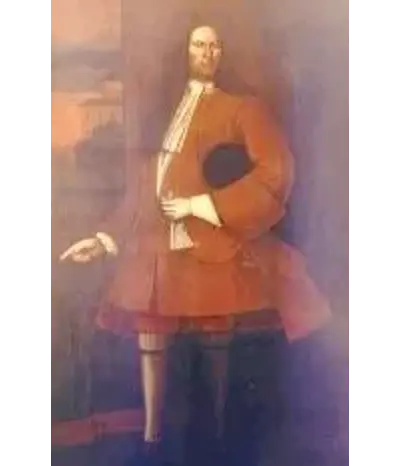
Pieter Schuyler was the first mayor of Albany, New York. A long-serving member of the executive council of the Province of New York, he acted as governor of the Province of New York on three occasions – twice for brief periods in 1709, after the death of Lord Lovelace, and also from 1719 to 1720, after Robert Hunter left office.
