John Steinbeck Quotes
We may be thankful that frightened civil authorities ... have not managed to eradicate from the country the tradition of the possession and use of firearms, that profound and almost instinctive tradition of Americans. Luckily for us, our tradition of bearing arms has not gone from the country, the tradition is so deep and so dear to us that it is one of the most treasured parts of the Bill of Rights - the right of all Americans to bear arms, with the implication that they will know how to use them.
Steinbeck, John. Once There Was a War. Viking Press, 1958.


The first Civil Rights Act {587712} was passed a few months before and has some of the same language as Congress wanted to make the laws very clear. The Southern Rebels who insisted on their right to have guns during Reconstruction, viciously denied that same right to the newly freed slaves. Sickles tried to remedy this, but the KKK and other terrorists intimidated most of the Blacks into not using the right that they had. Later, they would do that with the right to vote. In January, the Commanding General in charge of South Carolina had issued an order protecting the rights of Blacks to have guns {629894}. This law applied that to the entire country. The Southerners have always supported the 2nd Amendment except when Blacks wanted to have arms.

The Southern Rebels who insisted on their right to have guns during Reconstruction, viciously denied that same right to the newly freed slaves. Sickles tried to remedy this, but the KKK and other terrorists intimidated most of the Blacks into not using the right that they had. Later, they would do that with the right to vote.


The justice was referring to the fact that the Supreme Court has repeatedly held, and that the Founding Fathers intended, that the Second Amendment applies to State militias and not to an individual's right to bear arms.


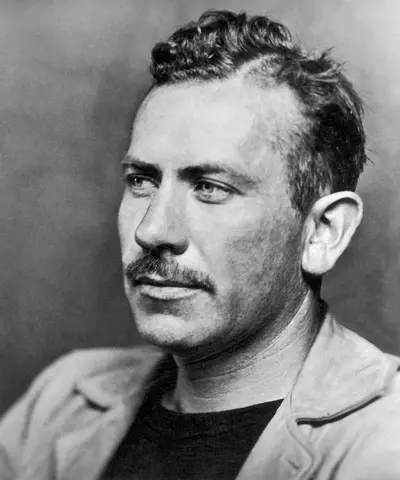
John Ernst Steinbeck Jr. was an American author and the 1962 Nobel Prize in Literature winner "for his realistic and imaginative writings, combining as they do sympathetic humour and keen social perception." He has been called "a giant of American letters," and many of his works are considered classics of Western literature.
