Billy Bragg Quotes
We have laws to deal with people who defame other people's religion. We have laws to deal with people who try to blow up our citizens. We have due process. We have laws to deal with people who we capture during combat and war, but somehow Guantanamo Bay seems to be outside all that. And perhaps it's being maintained with the view to what people are talking about now, this idea of the "long war," that this is going to go on and on, and perhaps Iran is going to be next.
Bragg, Billy. Interview. The Guardian, Guardian News & Media, 2006.

The President and Vice President wanted places to interrogate suspected terrorists where they did not have to obey American law, where the press could be kept away from the prisoners, and there would be no way that a prisoner could get the assistance of attorneys and American Judges could not have any jurisdiction. A number of the prisoners had been picked up by mistake, or were accused by people who had scores to settle, and if the CIA had made a mistake, the public could not find out. Further, they wanted to torture certain prisoners and wanted places where they could use their “enhanced interrogation”—see {637536}--without the public finding out.


The problem that was facing the nation in the early 21st century was when we captured a terrorist, was he a combatant or was he accused by a personal enemy, and had he been tortured to say he was a terrorist. The issue grew more complicated when terrorist suspects were brought to American territory at Guantanamo Bay, and the Courts have always held that a foreigner on American soil had a right to have access to the Federal Courts just as Citizens do. Complicating the situation more was the fact that a few American citizens had joined the terrorists and were they entitled to a civilian trial as all other Americans were.


The American military and CIA officials made a number of errors in dealing with some of the prisoners. Once military desecrated a Muslim Holy Book with urine, many or the active and violent prisoners were kept in solitary confinement, but secrecy allowed Islamic propagandists to claim that this was done with almost all. Worst of all CIA interrogators were allowed to use ‘enhanced techniques’ (torture). Prisoners were not allowed to have reasonable contact to attorneys and where there were, these were monitored. Most of the prisoners were never charged with anything and yet they never received sentences and no one had any idea whether or not they would ever be charged, tried, sentenced or released. Even where there were some prisoners that the American authorities were willing to release, only a few were as their original counties would not accept them. Islamic extremist terrorist recruiters use Guantanamo to propagandize against America, and many new terrorist recruits were primarily motivated they claimed by the way that fellow Muslims had been treated in Guantanamo. Almost all agreed that Guantanamo was a negative, but it became very difficult to close it down and despite all the errors of operation, very few Americans were willing to return all these men to the battlefield to re-jojn the terrorists and other countries were unwilling to take the responsibility for their custody.


Major Fleener had been assigned to defend accused terrorists who were being held at the military prison in Guantanamo, Cuba. For several years they were held without a hearing or trial. Then the U. S. Supreme Court ruled that they had to be given a hearing or trial. A Military tribunal was selected. The methods and procedures of these hearings came under much public world-wide criticism as they did not meet the normal legal standards of most countries. Surprisingly, one of the military officers made public statements criticizing the army and the trials.

Chelsea Elizabeth Manning


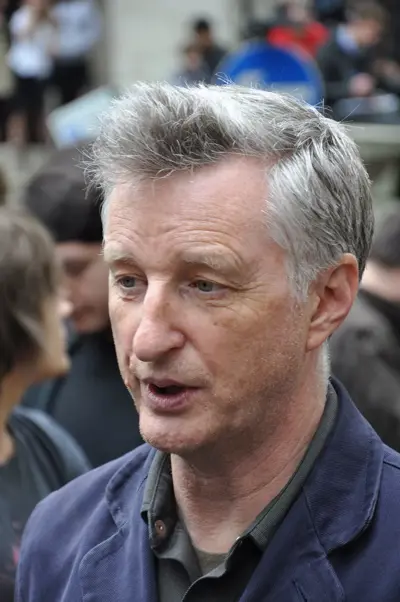
Stephen William Bragg is an English singer-songwriter and left-wing activist. His music blends elements of folk music, punk rock and protest songs, with lyrics that mostly span political or romantic themes. His music is heavily centred on bringing about change and involving the younger generation in activist causes.
