Yip Harburg Quotes
We gotta be free - The eagle and me. see Amelia Jenks Bloomer, Emancipation of Women
Harburg, E. Y., and Harold Arlen. "The Eagle and Me." Bloomer Girl, Decca, 1944.


Dunn, a distinguished Australian educator, journalist and politician, coined the phrase back in 1970 when she was a student at the University of Sydney. She was paraphrasing the philosopher who said, 'Man needs God like fish need a bicycle.’


Chaucer has Criseyde say this. It is the statement that would gladden the heart of any feminist. This was one of Mary McCarthy’s favorite quotations.


McCain had lost the 2008 Presidential Race and was not going to run again. At this time he was trying to counterbalance the views of some of his party’s new presidential nomination candidates—all men—who wanted to reverse a woman’s Constitutional right to abortion and favored policies that would diminish women’s access to affordable birth control. Some people observed that his logic applied equally well to abortion, but he was at that time not in favor of abortion on demand but did support the right of a woman to choose an abortion in cases of rape, incest or medical conditions where childbirth would endanger the life of the mother.

The Bible and the Church have been the greatest stumbling blocks in the way of women’s emancipation.
The most important documents and doctrine of most churches were created by men who also established the framework of the religion. The result has in almost all cases been a sexist structure with women having not only little power not typically females are banned from all church governance. See {640303} for her quote on religion in general vis a vis women.


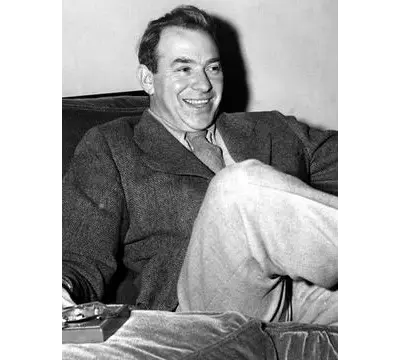
Edgar Yipsel "Yip" Harburg was an American popular song lyricist and librettist who worked with many well-known composers. He wrote the lyrics to the standards "Brother, Can You Spare a Dime?" (with Jay Gorney), "April in Paris", and "It's Only a Paper Moon", as well as all of the songs for the film The Wizard of Oz, including "Over the Rainbow". He was known for the social commentary of his lyrics, as well as his liberal sensibilities. He championed racial and gender equality and union politics. He also was an ardent critic of religion.
