E. F. Schumacher Quotes
To organize work in such a manner that it becomes meaningless, boring, stultifying, or nerve-racking for the worker would be little short of criminal; it would indicate a greater concern with goods than with people, an evil lack of compassion and a soul-destroying degree of attachment to the most primitive side of this worldly existence.
Schumacher, E. F. Small Is Beautiful: Economics as if People Mattered. Harper & Row, 1973, p. 54.


He in that same year then persuaded sympathetic MP, John Hobhouse, to introduce the first bill into the House of Commons regulating child labor in the mills. Considered radical in its day, forbade employment of children under the age of 9 from working in the mills, and then limited the hours that children from 9 to 18 to 12 hours a day. The bill was rejected with the same claims that have been made regarding child labor reform attempts ever since. It would slow growth, harm the economy, exacerbate the poverty of poor families and interfere with the parents right to bring up their children. It was not until after his death in 1861 that meaningful child labor laws were passed for the British mills.

This was an honest theoretical belief of Mises. However, most of the criticism of capitalism in the industrial democracies is precisely the lack of unemployment and sustenance for all. When it does, even complaints about inequality tend to be minimal. But some capitalist societies never provided these, and by the 21st century, no capitalist nation was able to do so permanently without recessions and depressions.


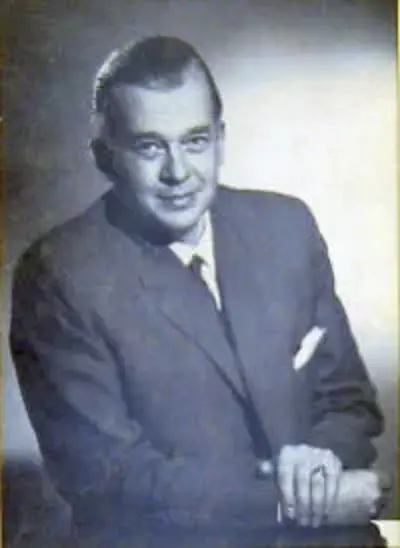
Ernst Friedrich Schumacher CBE was a German-British statistician and economist who is best known for his proposals for human-scale, decentralised and appropriate technologies. He served as Chief Economic Advisor to the British National Coal Board from 1950 to 1970, and founded the Intermediate Technology Development Group (now known as Practical Action) in 1966.
