Pearl S. Buck Quotes
To eat bread without hope is still slowly to starve to death.
Buck, Pearl S. The Child Who Never Grew. John Day Company, 1950, p. 16.

In 1921, there was a terrible famine in Communist Russia. The United States was ambivalent about humanitarian relief to the leading Bolshevik county while there were Communist supporters in the U. S. who were setting off bombs and calling for the overthrow of the democratic government. Herbert Hoover persuaded President Warren G. Harding that food aid relief was a moral obligation and would do much to weaken Bolshevism. 400 ARA Americans went to Russia and hired over 120,000 Russians to implement the relief program. Rarely in human history have this few people with the resources made available to them saved as many lives as Hoover and his staff did. A number of the Americans died in Russia from disease and those who survived worked under near impossible conditions. Ironically, while it created much good will towards the United States, many including Hoover suspected that the program and the pressure that the Americans put on the Soviet Government officials for more efficient administration may have forced the Soviet Government to learn how to organize much of othe society like the railroads, thus strengthening the Communist Party’s control over the country.


Reflection on the Irish Potato Famine of 1845-1850


Forty-two emigrants, including Donner, and two Indian guides died. However, the remaining forty-seven travelers survived.


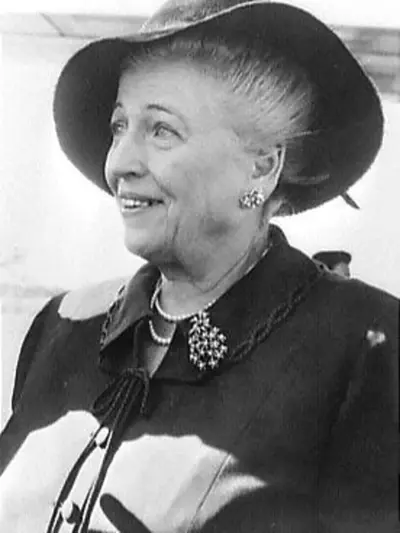
Pearl Sydenstricker Buck also known by her Chinese name Sai Zhenzhu (Chinese: 赛珍珠) was an American writer and novelist. As the daughter of missionaries, Buck spent most of her life before 1934 in Zhenjiang, China. Her novel The Good Earth was the best-selling fiction book in the United States in 1931 and 1932 and won the Pulitzer Prize in 1932. In 1938, she was awarded the Nobel Prize in Literature "for her rich and truly epic descriptions of peasant life in China and for her biographical masterpieces". She was the first American woman to win the Nobel Prize in Literature.
