Joseph C. Grew Quotes
There is little incentive for initiative just now: the [State] Department seems to take no interest; we never receive comments on our work and many of our questions go unanswered.
Joseph C. Grew, 1880-1965, Undersecretary of State, U. S. Minister to Denmark, U. S. Minister to Turkey, U. S. Minister to Japan, December 1920
Sourced by: Eigen's Political and Historical Quotations


The administration and operation of scientific research is particularly vulnerable to bureaucratic processes. There is a constant tension between scientists and politicians over the accountability of publicly funded research.

During the Korean War Secretary of State John Foster Dulles sent instructions to the United Nations Ambassador as to how to vote in a UN debate. Lodge voted to the contrary. The Assistant Secretary of State called to inquire why the instructions were not followed.


Lev Davidovich Bronstein


This is dialogue of the fictional Secretary of State
This quotation illustrates a classic problem with the Central Intelligence Agency. Other agencies, like the State Department’s budgets are open and journalists publicize large houses and other high expenditures. The Central Intelligence Agency, in contrast, operates in secret, and there is not the same outside pressure for prudence. In addition to a lack of prudence with CIA expenditure as a result of no public oversight, the other agencies are jealous of the CIA staff and there “perks”.

Holbrooke was an unusual State Department executive in many ways, but his feeling that there were too many assistants and deputies was unique at the time.


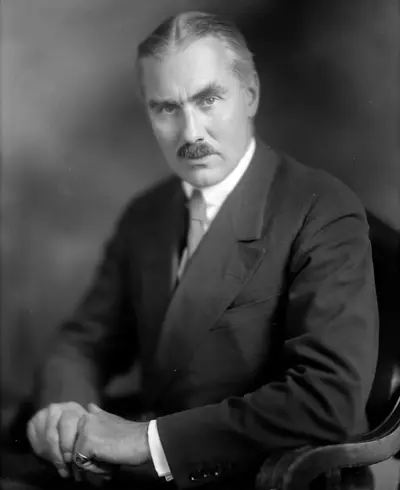
Joseph Clark Grew was an American career diplomat and Foreign Service officer. He is best known as the ambassador to Japan between 1932–1941, and as a high official in the State Department in Washington between 1944–1945, where he opposed hardliners, sought to avoid war, and sought a soft Japanese surrender in 1945 that enabled a peaceful American occupation of Japan after the war.
