Francisco Goldman Quotes
There is a culture of corruption in many parts of the Mexican media, of course. It seems that there are fewer and fewer media outlets that permit authentic free expressions. But Mexico also has extraordinary journalists who, despite the dangers they face, have also been leading the way in this battle, who've really played a role in keeping the cause of justice alive in the Ayotzinapa case. And no matter what, they'll keep doing that.
Goldman, Francisco. Interview. Sept. 2015.


The evils of the time were even worse than in modern times. Most newspapers, journals, and periodicals were in 1835 actually owned and operated by political parties or people totally identified with political parties. In modern times, there are publications and blogs which are controlled by political forces, but most are not.


There has been a constant conflict between the government and the press regarding the right of a journalist to refuse to disclose his/her sources for a story or to reveal his/her notes or outtakes. Reporters would sometimes be subpoenaed and if they refused to testify or disclose the subpoenaed information, they could be held in contempt of court and fined, jailed or both. However, one of the major reasons reporters have been able to get information on the malfeasance and incompetence of government is that leakers and whistleblowers have been willing to provide information to the press is that they are confident that the press will not disclose the source. The courts have ruled that journalists have no special rights regarding subpoenas, so the outcome of the conflict depends on the political decision of the administration. For the 2nd Obama administration, this has his announcement that the Justice Department would not jail reporters who ignored subpoenas. However many proponents of a free press, do not want to depend on the decision of the Attorney General in office and want Congress to pass a Shield Law for journalists.


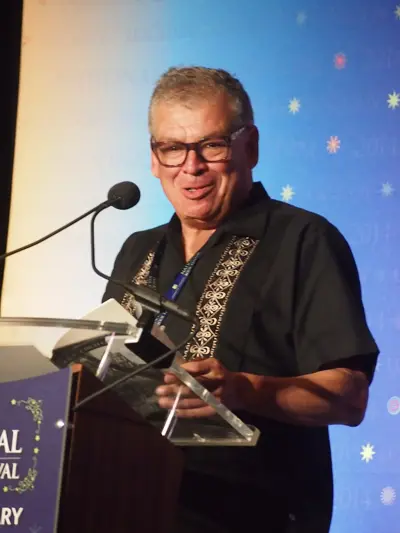
Francisco Goldman (born 1954) is an American novelist, journalist, and Allen K. Smith Professor of Literature and Creative Writing, Trinity College.
