Bradley A. Smith Quotes
The truth is, the 'Fortune' 500 prefer lobbying to campaigning.
Smith, Bradley A. Unfree Speech: The Folly of Campaign Finance Reform. Princeton University Press, 2001, p. 195.


He made this quotation when he was a member of the Wisconsin State legislator. He was describing the influence and interaction that corporations had with the Wisconsin state legislative process.


Hollings who was one of the senior experienced senators was offended by the degree to which the George W. Bush Administration and the Republican leadership had turned to lobbyists to draft legislation and amendments to pending legislation. Lobbyists often have specialized information that members of Congress do not have, so there has been in modern times communications between lobbyists and members of Congress and their staffs. However, during the Bush Presidency the practice reached an extreme where lobbyists would even write the legislative language and give it to the members in whom they had invested by giving them large campaign contributions and many perks. K Street is the fanciest street in Washington DC with some of the most expensive office space. A substantial proportion of the lobbyists have K Street offices, hence the metaphor.


In the 1960s, the cigarette companies and their lobbyists paid consultants and some scientists to demonstrate that tobacco did not cause cancer. By the beginning of the 21st century, the practice of lobbyist bought research was very common. The lobbyists realized that their many might alter the approach and quality of the research so the results would support their political points of view. If the studies did not, the lobbyists and industries simply did not make the results public, and the terms of their financing often prohibited the consultants from releasing information on their own,


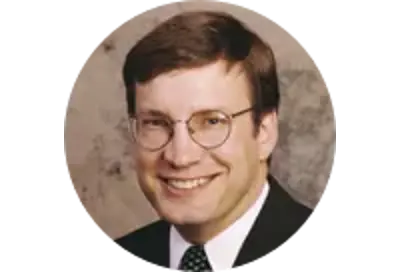
Bradley A. Smith (born 1958) is the Josiah H. Blackmore II/Shirley M. Nault Professor at Capital University Law School in Columbus, Ohio. He previously served as Commissioner, Vice Chairman and Chairman of the Federal Election Commission (FEC) between 2000 and 2005. He is best known for his writing and activities opposing campaign finance regulation.
